Deep Space
From Asteroids to Zero-G, this is Curiosity’s guide to the galaxy and beyond.
 Original
- 3 episodes
To survive Mars, our species will need to evolve how we eat, drink, and build our homes. Will we need our genes to evolve as well?
 Original
- 6 episodes
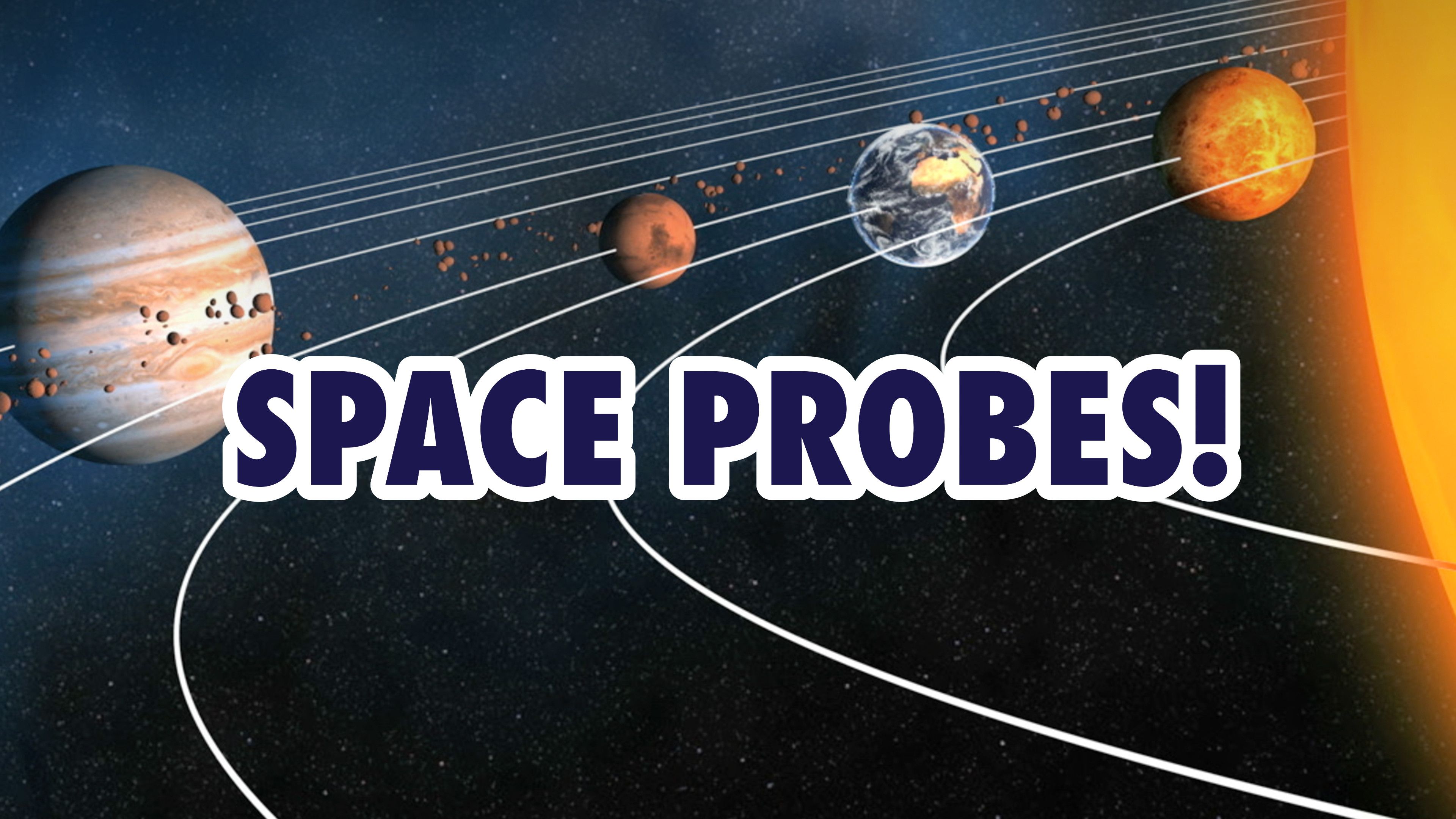
They’re out there, all alone in the vastness of space. Join the space probes, and their parents back on Earth, to explore our solar system.
 Original
- 3 episodes
Renowned physicist Stephen Hawking takes a flight of epic proportions to visit his favorite places in the Universe.
 Original
 Original
- 8 episodes
Secrets of the Universe launches viewers on eight mind-blowing adventures to seek answers to some of the Universe’s biggest mysteries.
 Original
- E75
- 17m
This is an inside look at NASA's groundbreaking Artemis Program, the spacecraft, and the people who will bring humanity one step closer to the moon, Mars, and beyond.
 Original
- 21m
Deep in the mountains of West Virginia, the Green Bank Observatory has been receiving a mysterious signal from deep space. Could this be a message from an advanced civilization, or is it a much stranger and violent occurrence? Visit the largest steerable radio telescope on the planet for answers.
 Original
- 29m
The birth of our Solar System was both violent and chaotic. As planets formed around our Sun, gravity and luck determined their fate: some are tossed into the Sun, others thrown into interstellar space, never to return. It is survival of the fittest, on an interplanetary scale.
 Original
- 23m
CERN and the University of California-Santa Barbara are collaborating in the search for the elusive substance that physicists and astronomers believe holds the universe together -- dark matter. Where is this search now in the realm of particle physics and what comes next?
 Original
- 2 episodes
Our universe reveals itself in ways we’ve never seen before, thanks to new discoveries in astrobiology.

- 51m
It is the birth of neutrino astronomy. For the first time, astrophysicists can detect extra-terrestrial neutrinos in the ice of the South Pole. Neutrinos are the most common and also most mysterious elementary particles and as these particles are invisible to us, their mass is unknown.
 Original
- 51m
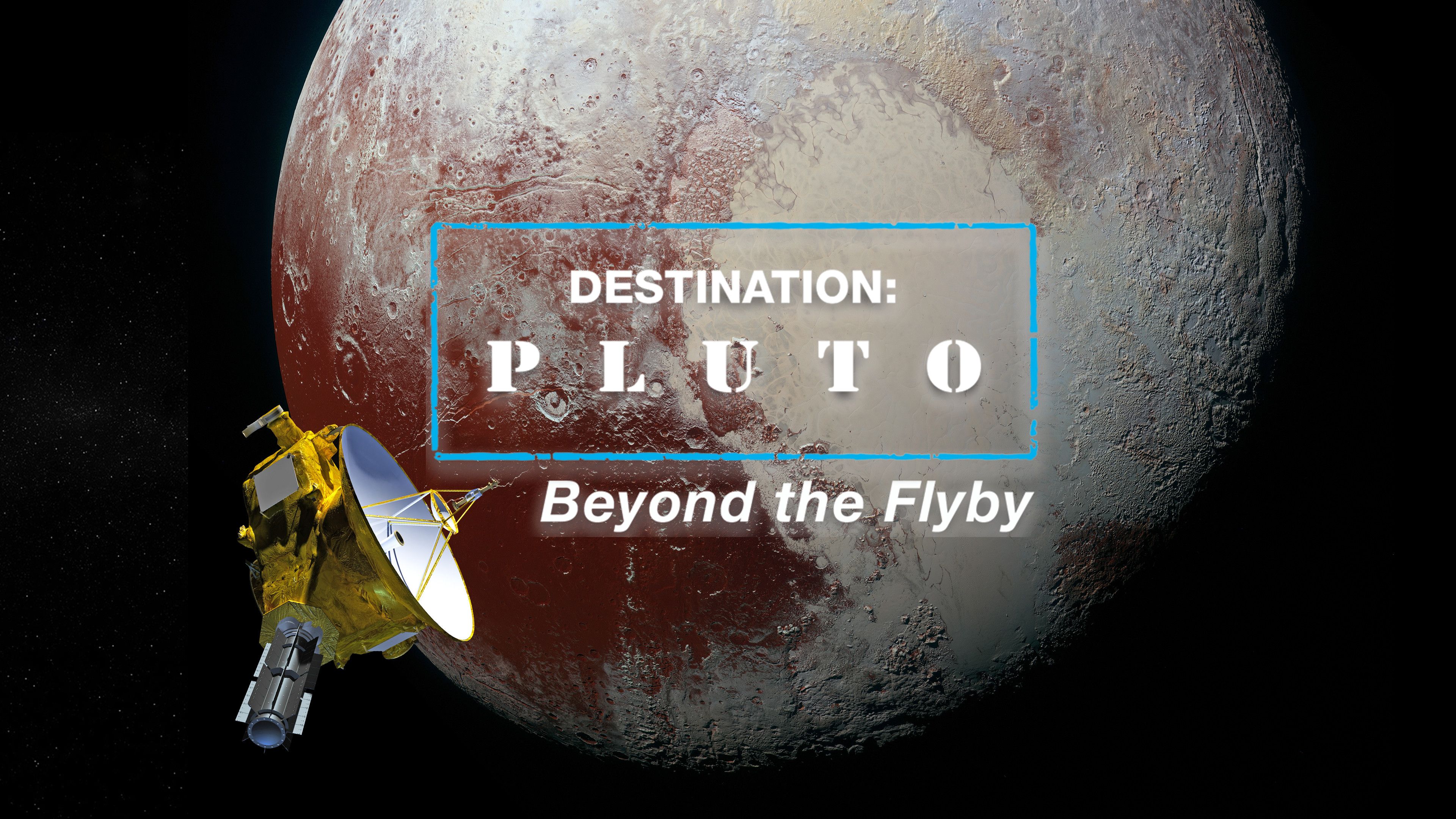
Join the New Horizons team to examine the latest findings and imagery from Pluto and the fringes of our solar system. They reveal a world unlike any other we've seen yet!
 Original
- E20
- 11m
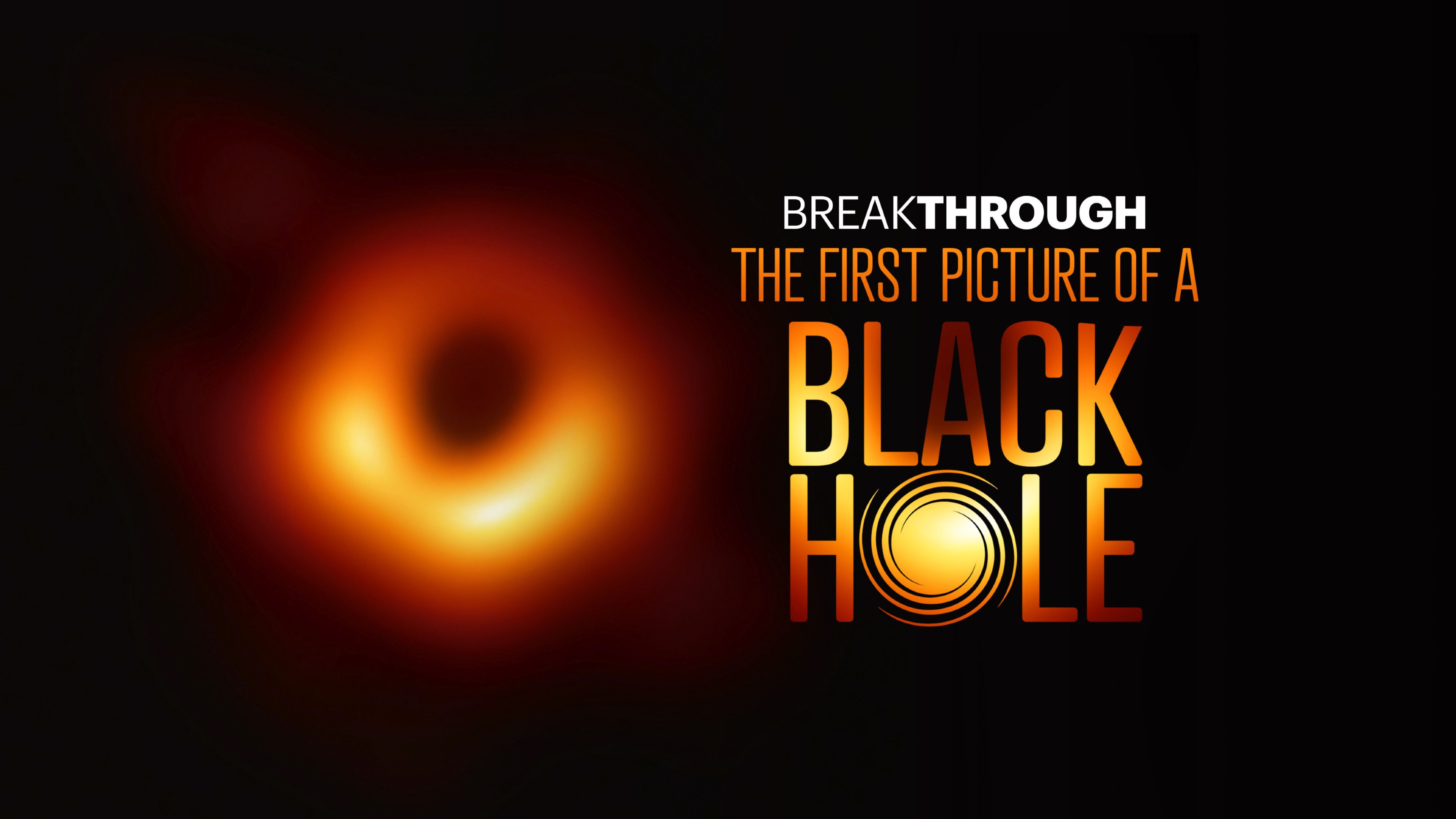
For the first time, scientists have captured a photograph of a black hole. The image verifies one of the most important theories in physics and will help unlock the greatest mysteries of the cosmos.
 Original
- E74
- 15m
The dawn of a new era in astronomy has begun as the world gets its first look at the full capabilities of NASA’s James Webb Space Telescope. These first images from the world’s largest and most powerful space telescope demonstrate Webb at its full power.
 Original
- 27m
On July 20th, 1969, the history of space exploration would forever be changed as two men left their boot prints on our moon's surface. This remarkable feat would be the culmination of decades of research, sacrifice, and innovation. How did we get there?
 Original
- 18m
Our Sun could erupt at any moment, spewing a vast wave of charged particles toward Earth that could leave millions of people without power for up to a year. Learn about the latest missions to protect our planet from this potentially devastating threat.
 Original
 Original
- 50m
Join astronaut Chris Hadfield - a YouTube sensation for his performance of David Bowie’s “Space Oddity” aboard the International Space Station - along with hitchhikers Michio Kaku (and others) on a joyride across our Solar System, scaled down to the size of the continental United States.
 Original
- E62
- 12m
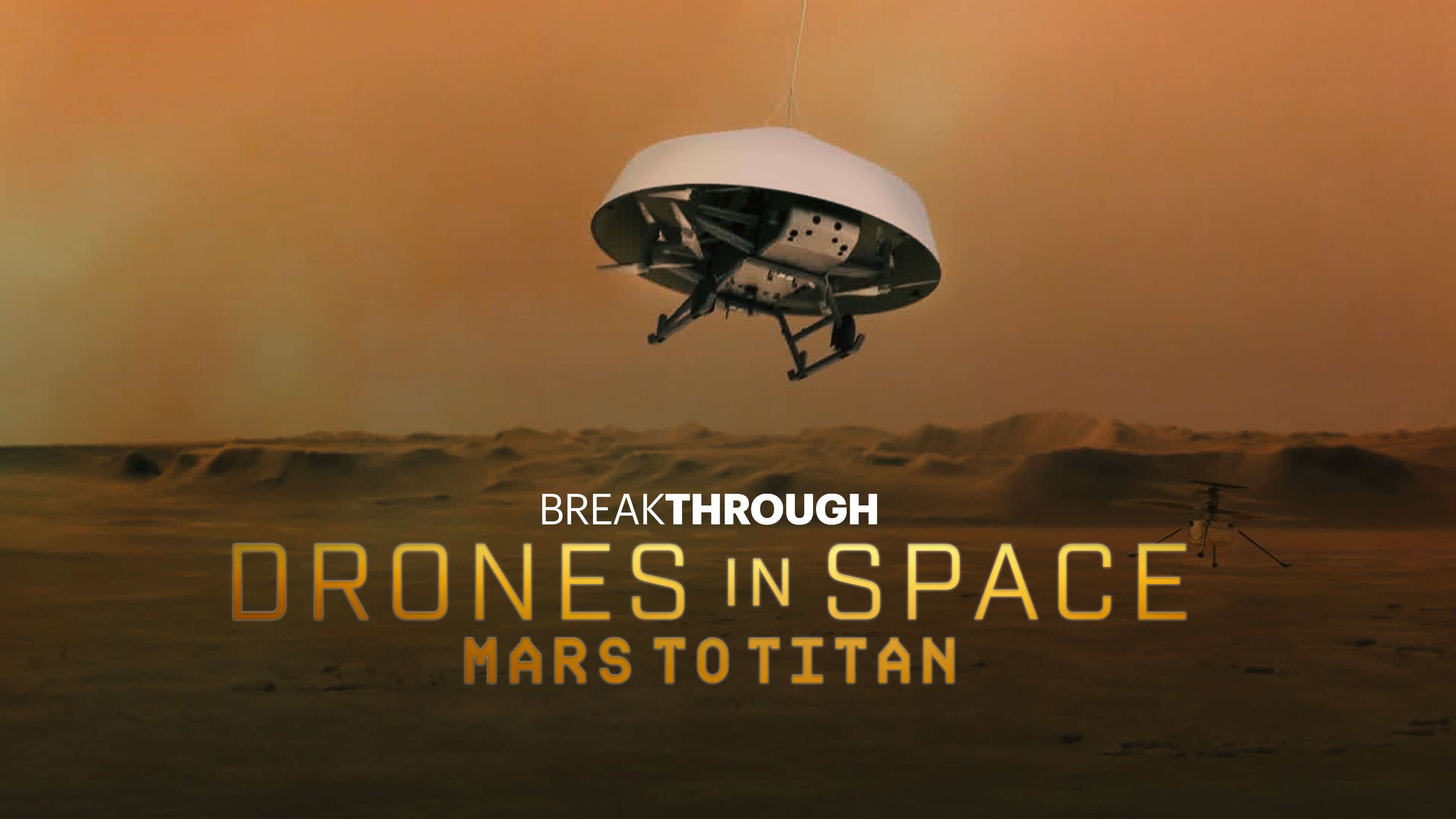
Drones have already conquered Earth, and now they're heading out into the solar system. The Mars Helicopter, Ingenuity is proving to be successful and will pave the way for Dragonfly, a future daring mission to Titan.
 Original
- E81
- 15m
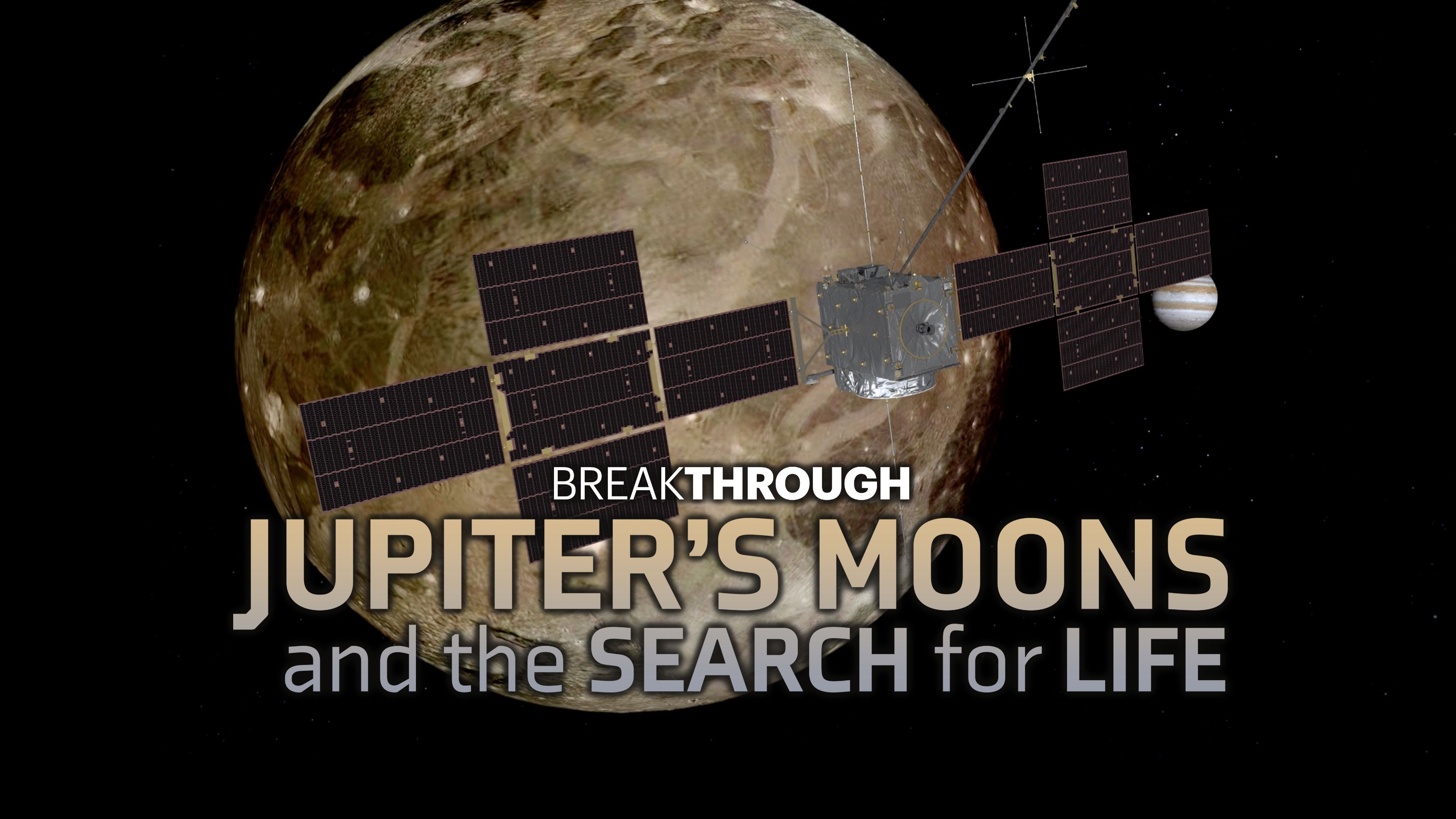
We’ve known about them for centuries and have been photographing them for decades, but a new pair of missions will be launching to bring us closer than we’ve ever been to Jupiter’s icy moons. Revealing answers to what may be astronomy’s biggest question…do the conditions for life exist beyond Earth?
 Original
- 22m
The remarkable story of the engineers behind the revolutionary technologies developed for the Apollo missions. In the face of epic challenges, and with a fraction of today’s technology, these are the people who navigated us to the moon and back.
 Original
- 21m
The area around our Earth is full of blind spots, unexpected visitors, hidden dangers and potential cosmic treasures. Follow this scientific quest to understand the origins of a mysterious asteroid—right in Earth’s backyard—that some have called our “other moon.”
 Original
- E72
- 20m
Astronomers linked radio dishes around the world to create the “Event Horizon Telescope” and have utilized this tool to photograph a supermassive black hole in the heart of our own Milky Way Galaxy. Its name is “Sagittarius A Prime” and it is over 4 million times more massive than the Sun.
 Original
- 6 episodes
A new breed of visionaries are creating extraordinary machines to help the planet and humankind in the future.
 Original
- 50m
The Apollo equipment has sat abandoned on the lunar surface for over 40 years. Now there is a renewed excitement and drive to return to the moon. This time, not to just plant a flag, but to colonize. How would we accomplish this? And why would we do it?
 Original
- E30
- 14m
NASA may have just gotten one step closer to answering the question: are we alone? The Spitzer Telescope has made a groundbreaking discovery of exoplanets that could be similar to our own. And as Kepler also continues its search, our understanding of the universe continues to be redefined.
 Original
- 23m
2023: a remarkable year on Earth, and in space. Join some of this year's space missions for a hyper-tour from our Sun to Jupiter—and beyond. Come face-to-face with an asteroid, lift off in search of the conditions for life, experience wondrous natural phenomena, and so much more.
 Original
- E78
- 17m
For the first time in history, NASA’s Parker Solar Probe has pierced the Sun’s corona and is orbiting above its surface. Scientists have a front-row seat to better understand the sun and predict huge solar eruptions that can cause serious damage when they hit Earth.
 Original
- E69
- 15m
For the first time in decades, NASA is sending two new missions to Venus designed to study and explore the planet’s atmosphere and earth-like composition. Together, DAVINCI and VERITAS will provide a new, 360º view of Venus -- its history, and perhaps a window into Earth’s past as well.
 Original
- E89
- 51m
Asteroids. Mountains of rock that hurtle through space, capable of mass destruction. A series of space missions are targeting them. Could these potential planet killers also reveal the origins of life itself? And can humanity protect itself against them?
 Original
- 1h 15m
In February 2019, after hurtling 300 million kilometers from Earth, the Japanese space probe Hayabusa 2 landed on the asteroid Ryugu. We follow the team behind the mission, as they sample parts of the asteroid and return it to our planet.
 Original
- 53m
For two and a half years, we followed the scientific team of the NASA Lucy Mission, a mission that will unveil the origins of the Solar System, and shared with them the many challenges they had to overcome, such as a countdown to launch on time, the building of the huge solar arrays or a pandemic.
 Original
- 49m
Only a few years ago science fiction, today reality: private companies send astronauts, tourists and technology into space. The competition for technical supremacy in space has begun. This film shows the complicated dynamics between public and private interests in the "New Space".
- 1h 50m
In the coming decades, we will unveil the universe's greatest mystery: life beyond Earth. This film explores future missions to Mars and discoveries beyond Earth.
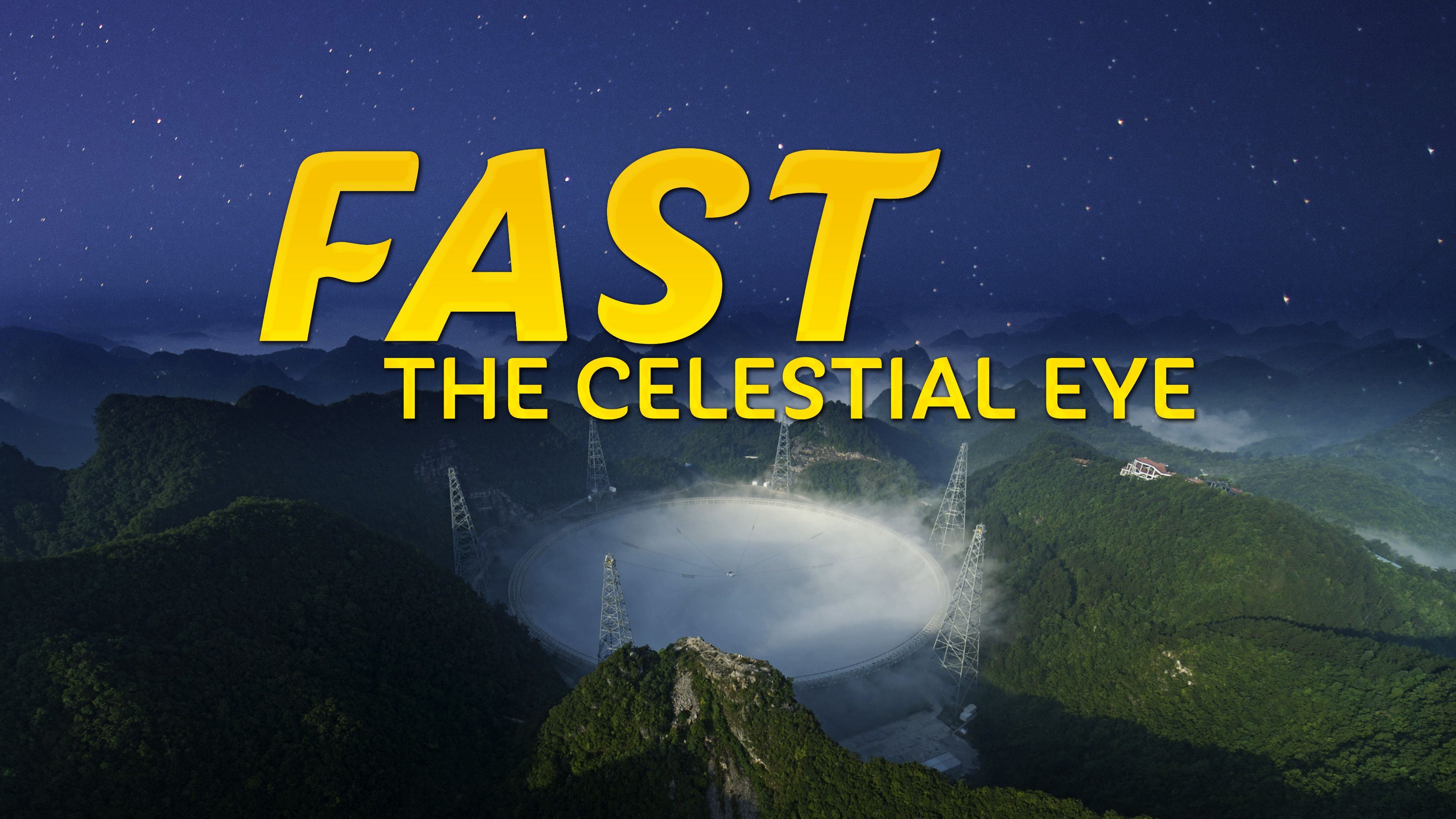
- 52m
The FAST radio telescope is the biggest ever built—and can detect signals emitted tens of thousands of light years away. From technological innovations to architectural challenges and first results, follow each step that gave birth to a tool designed to prove we aren’t alone in the universe.
 Original
 Original
- 6m
What is our universe made of? The three leading theories on dark matter and its role in the cosmos are explored.
 Original
- E76
- 13m
While humans debate which is worse, dwindling resources or planet-killing celestial bodies, new breakthroughs in extra-planetary surveying and rocket propulsion are revealing the dichotomy of asteroids; those that might provide a new source of precious metals and those that can outright kill us.

- 13 episodes
Big movements of change have often started with tiny events or personal decisions that ended up affecting the history of our world.
 Original
- E23
- 11m
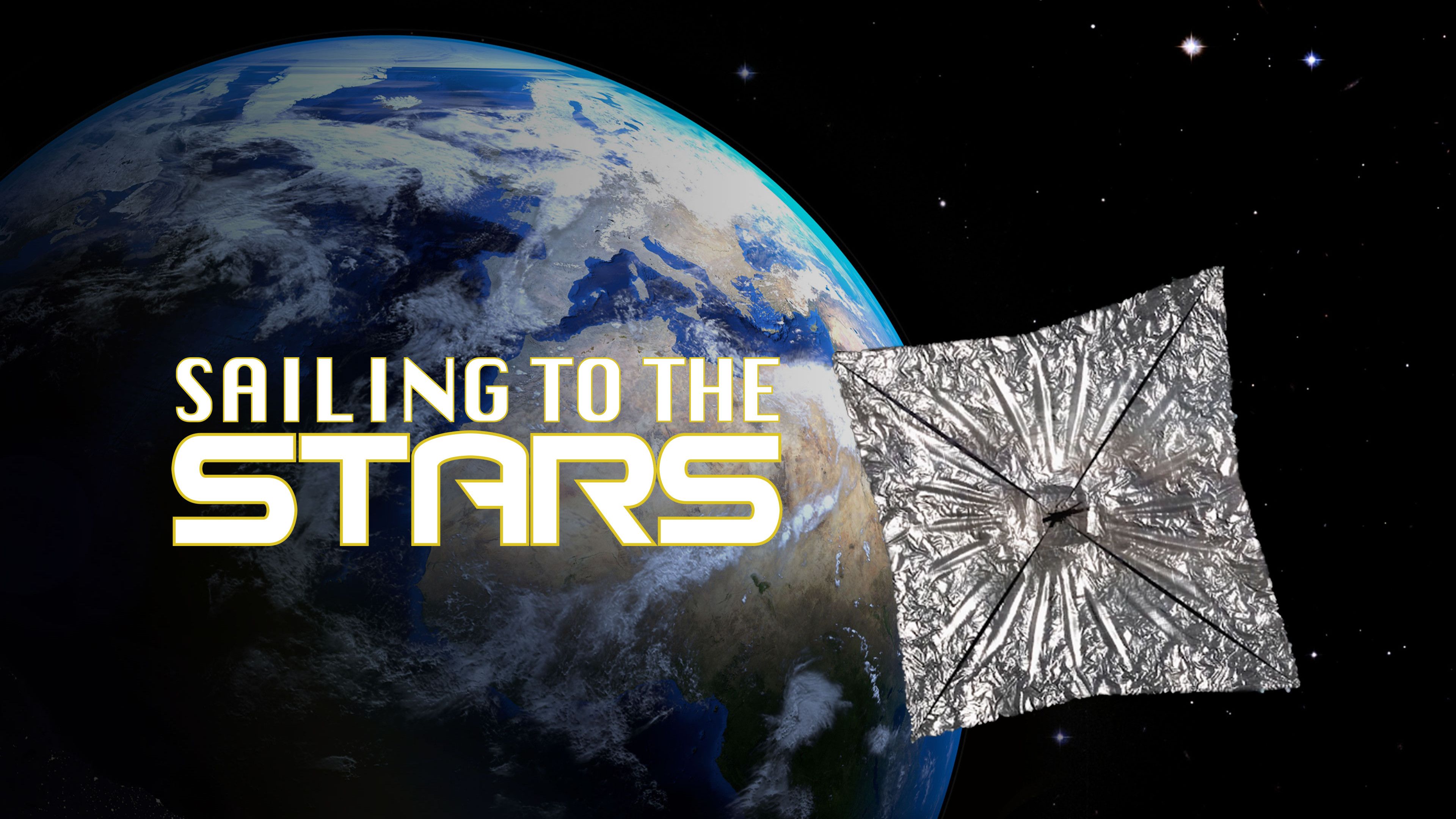
Solar sails, the latest in space travel technology, could one day help us reach nearby stars. Follow the exciting missions laying the ground towards a new form of space exploration.
- E96
- 49m
They have opened our eyes to the biggest breakthroughs in astronomy, from black holes to lost planets to the birth of stars. As we build bigger and better telescopes, they have become our eyes in the sky, peering ever further into the darkness and giving us answers about our place in the universe.
 Original
- E55
- 11m
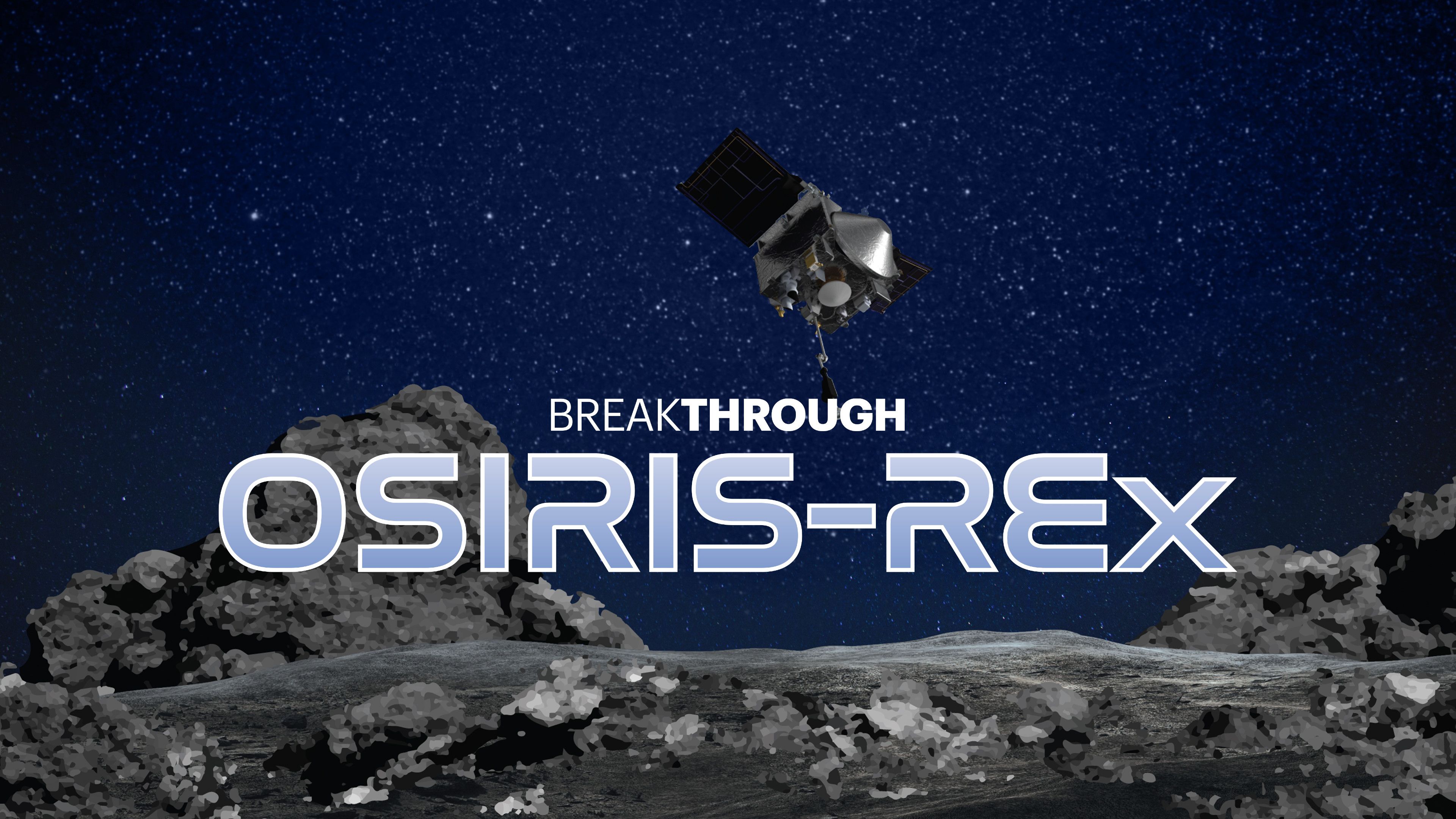
OSIRIS-REx is NASA's first asteroid-sampling spacecraft on an asteroid called BENNU. It attempts a "touch-and-go" (TAG) sample collection which involves a series of maneuvers that will bring the spacecraft down to the asteroid's surface.
 Original
- 52m
What do space robots look like? Why and how can they lead space missions successfully? To what extent will they collaborate with astronauts or take their place? Find out what is in development around the world from robotic geology labs to space garbage collection.
 Original
- E31
- 9m
New evidence from NASA's Dawn mission to Ceres, a dwarf planet the size of Texas, is changing our understanding of not only the Asteroid Belt but may also hold the key to deciphering the early life of our solar system.
 Original
- 4 episodes
Investigating mankind's insatiable necessity to move faster and further; for pleasure, for work, to explore, to survive.
 Original
- 20 episodes
This series is loaded with mind-blowing factoids and stats, entertaining expert interviews, and infographics injected with cheeky humor.
- 1h 30m
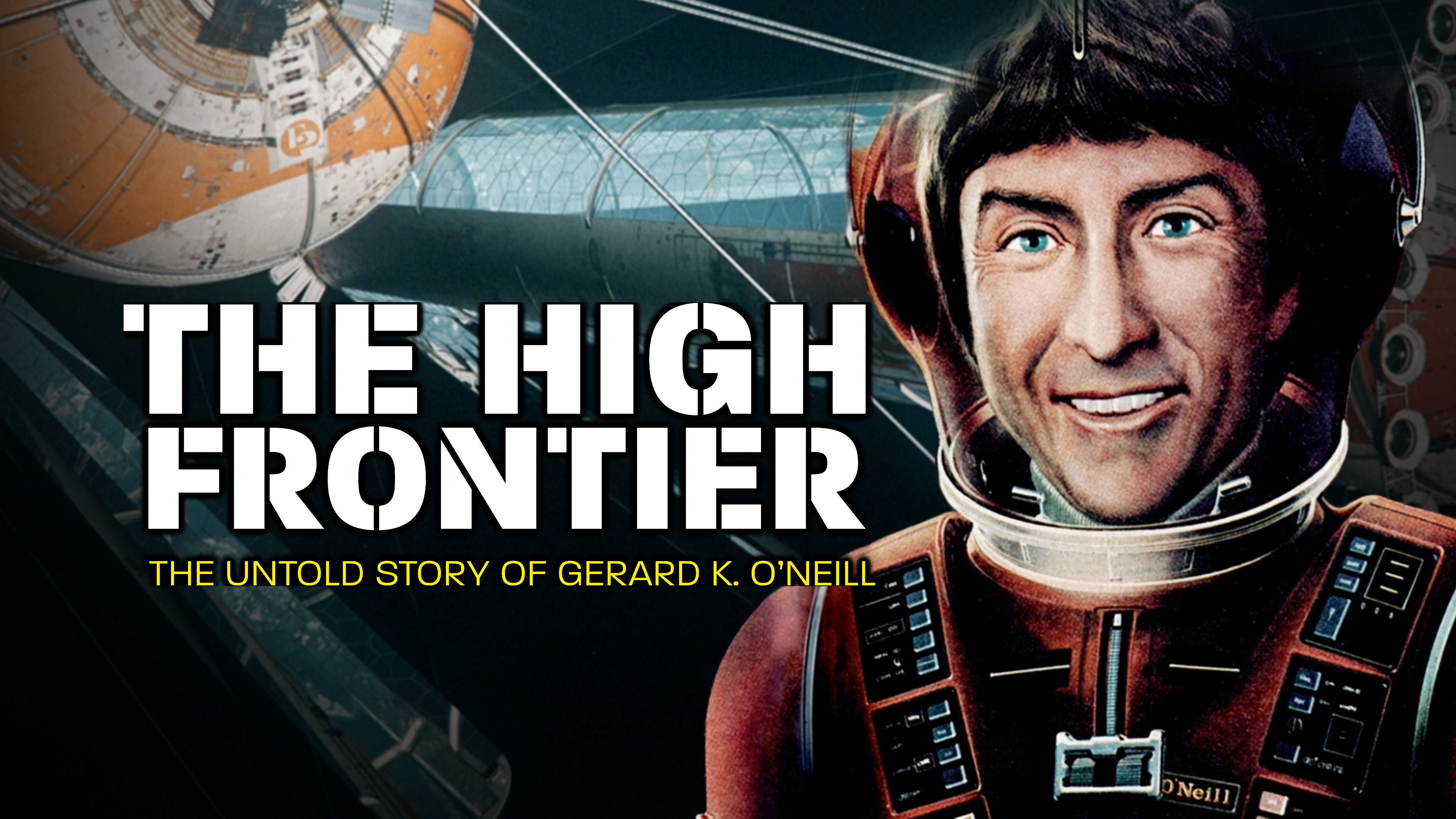
This is the untold story of space visionary Gerard K. O'Neill, who wrote the 1977 book "The High Frontier: Human Colonies in Space." The Princeton physicist sparked a grassroots movement to build Earth-like habitats in space with the hope of solving Earth's greatest crises.
- 12 episodes
Explore black holes, alternate realities and cosmic mysteries through imaginative what-if scenarios across the universe.
 Original
- 17m
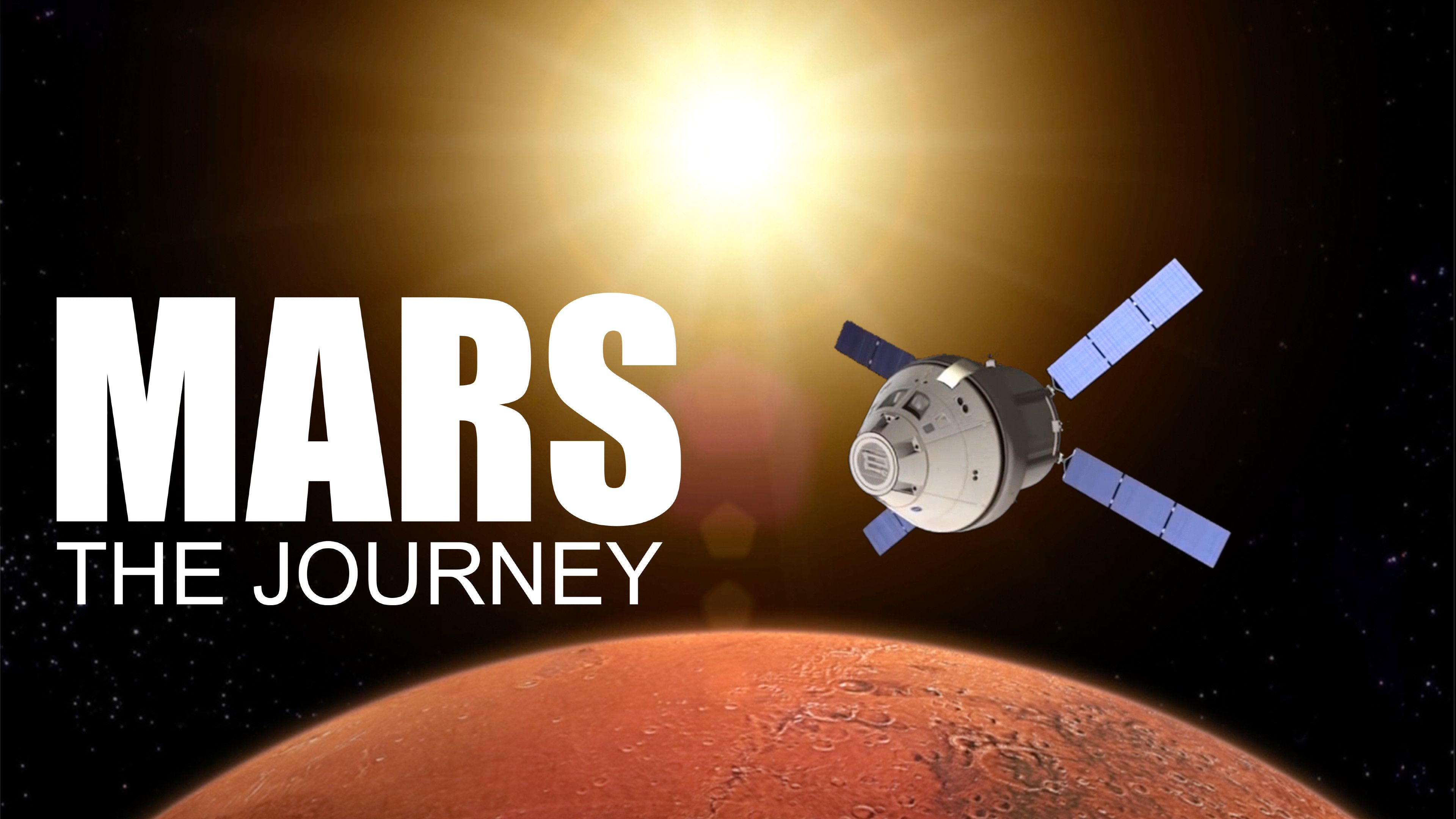
The faint red glow of Mars has intrigued those watching it from Earth for centuries. Now space exploration has begun to lift the veil on "The Red Planet", and upcoming missions to Mars are looking at Mars as a potential habitat for humans. Can we move to Mars in the next decade?


