Naturaleza y el Medio Ambiente
 Original
- 2 episodes
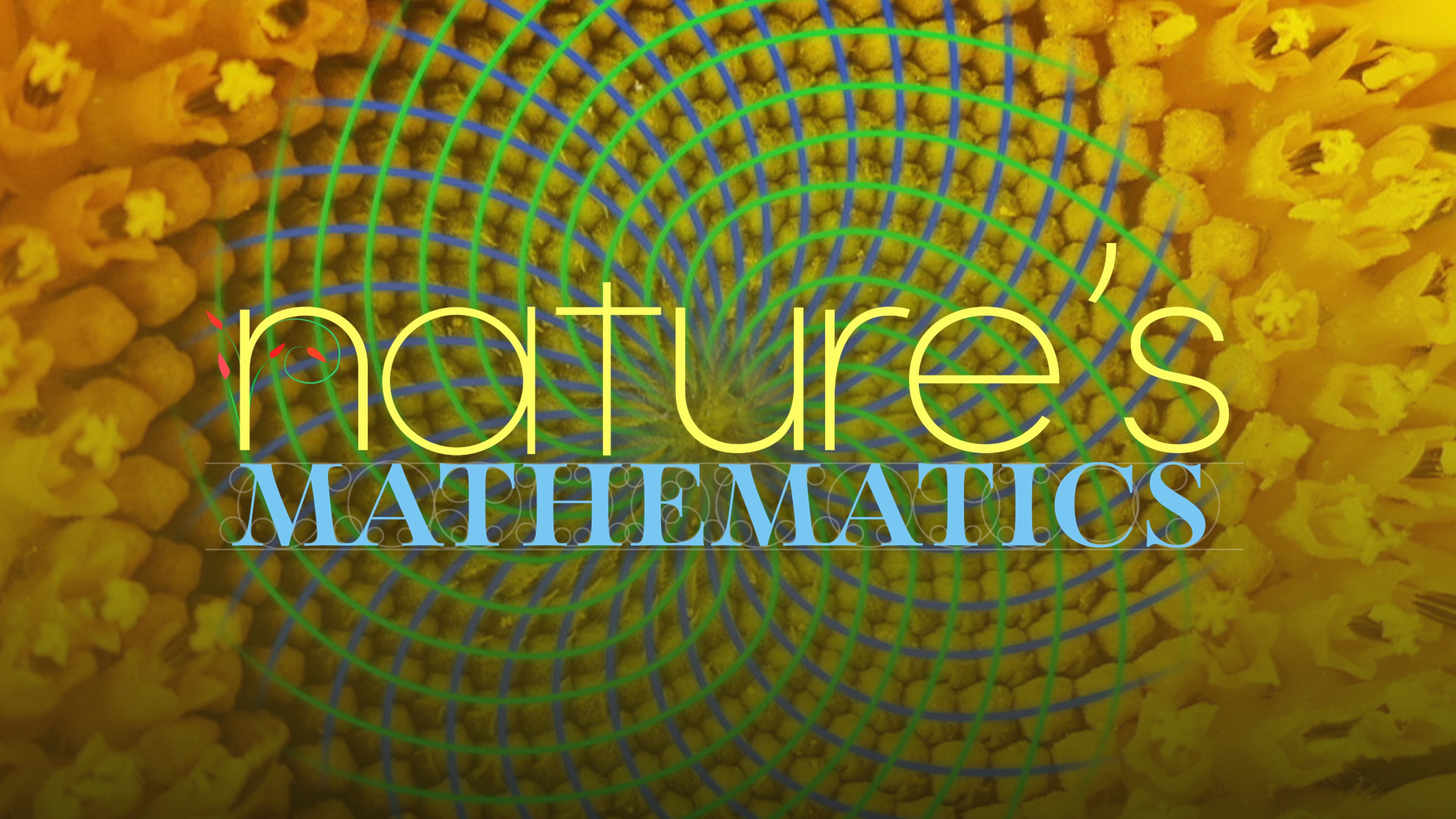
Nature follows a number of intricate and subtle mathematical rules to produce the patterns, shapes, and colors that we find so mesmerizing.
- 50m
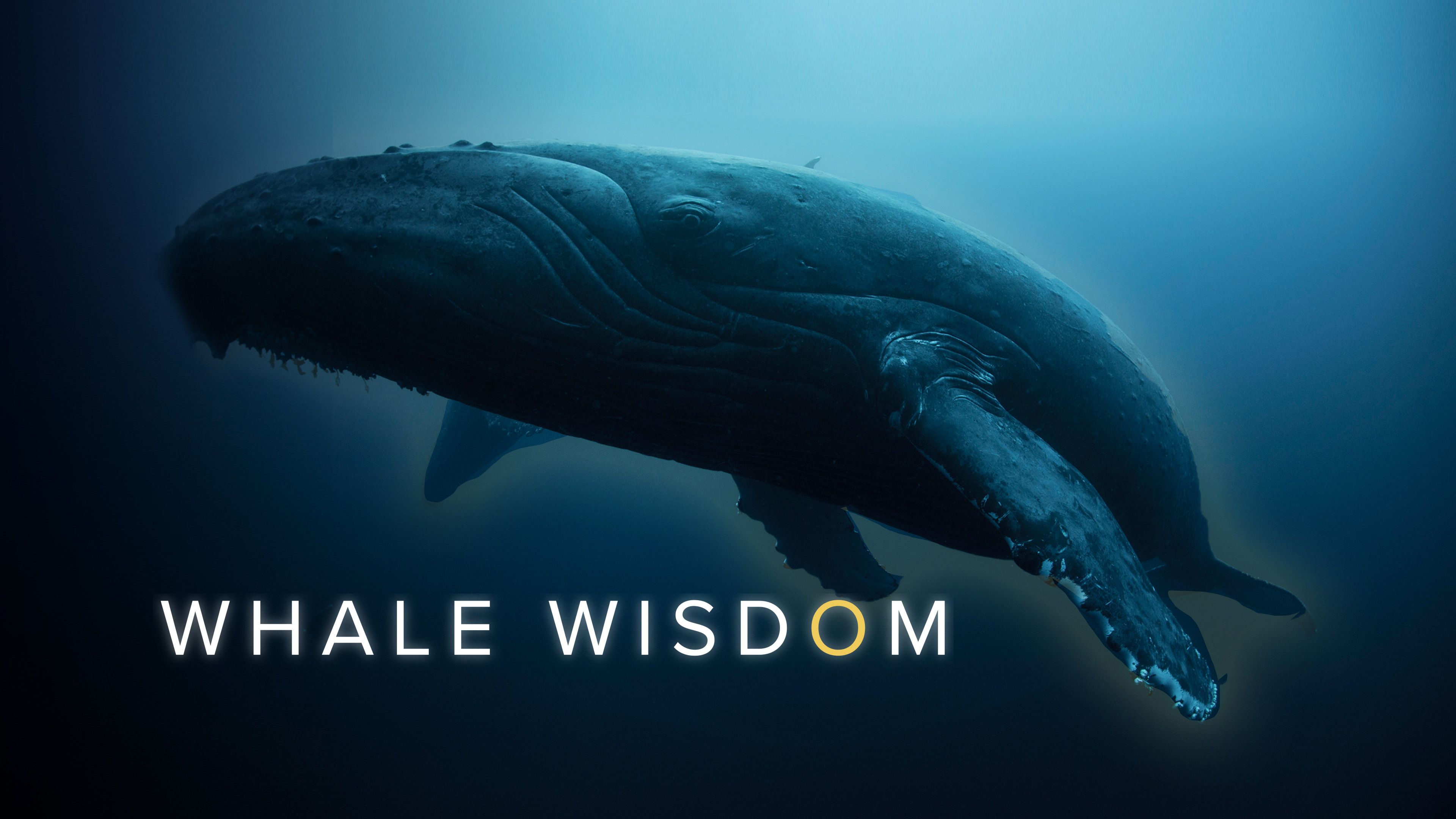
Whales have long been a profound mystery to us. They live in a world so removed from our own that we can barely imagine their lives. Their environment is different, their senses are different, their relationships are different. How might such almost alien creatures see the world?

- 2 episodes
The underground world is a largely unexplored universe. Find out what goes on in the subterranean world of our planet Earth.
 Original
- 11m
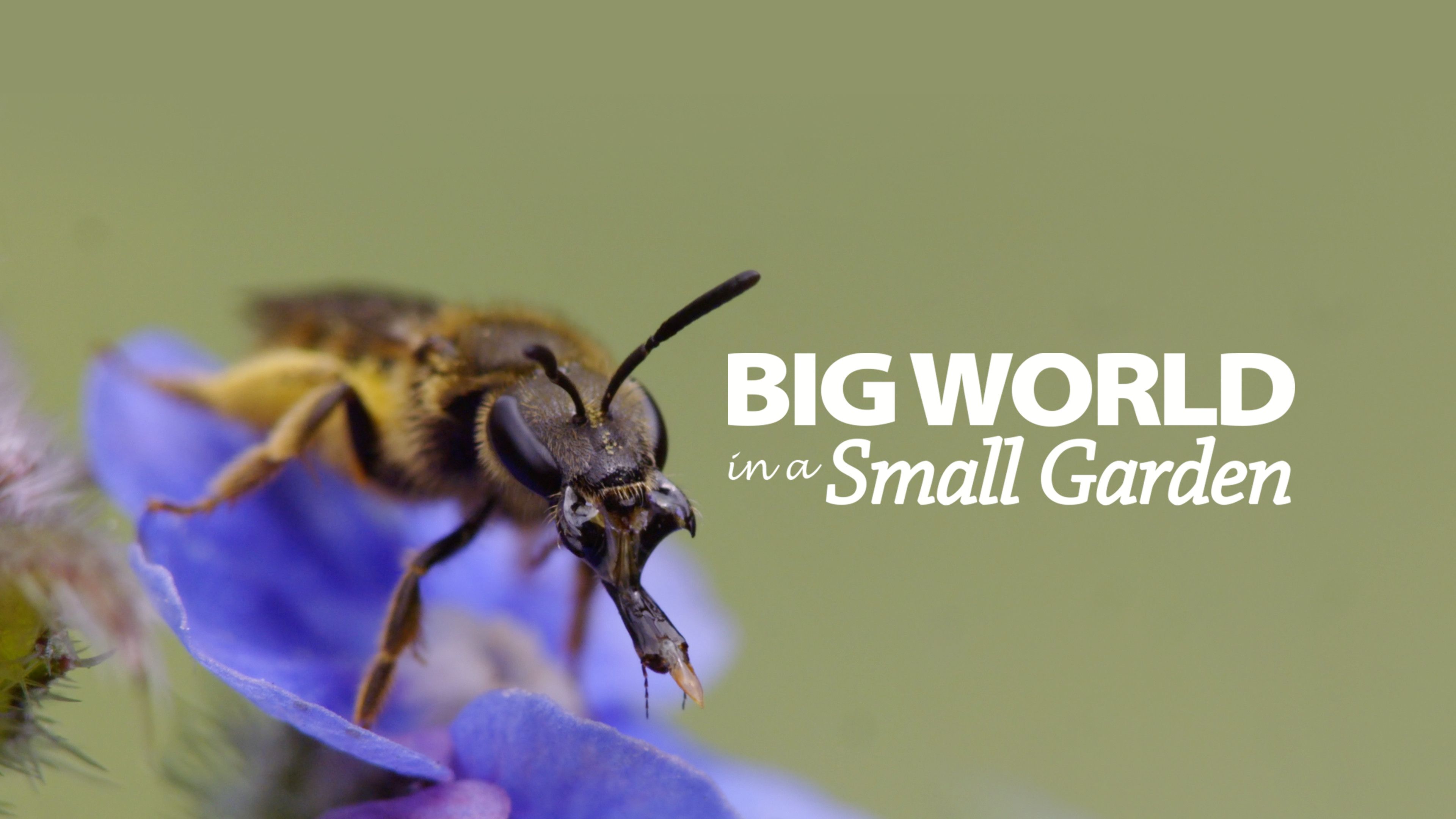
Photographer Martin Dohrn has rigged special cameras in order to capture the hectic and complex world of Bristol -- in his backyard! Watch as he slows down the almost imperceptible movements of the insects that populate his garden from fascinating bee species to active spiders and more.

- 50m
More beautiful than butterflies, more spectacular fliers than hummingbirds, and with intriguing behavior as complex as mammals or birds. They’ve been flying around for hundreds of millions of years, crossing paths with dinosaurs before we mammals were even a twinkle in the eye of evolution.
 Original
- 6 episodes
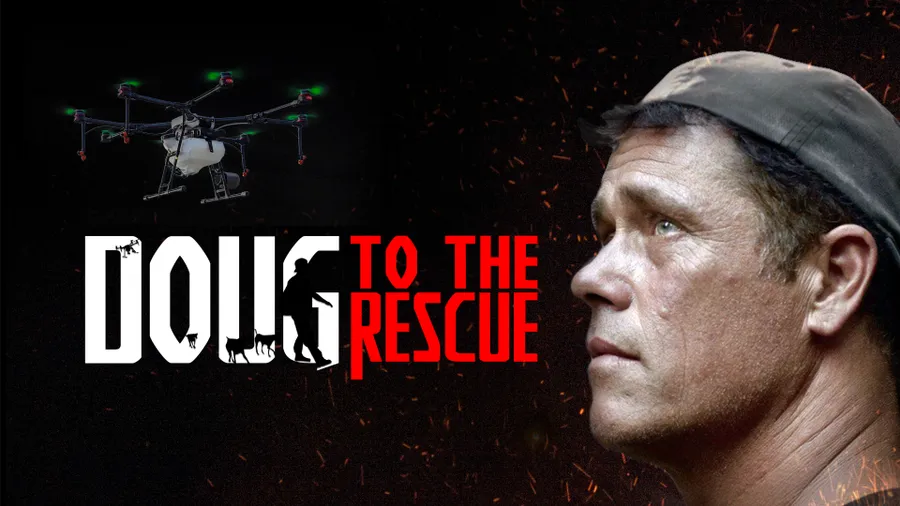
Equipped with a cutting-edge infrared drone, Doug Thron heads into disaster zones to save the cats and dogs that have been left behind.
 Original
- 28m
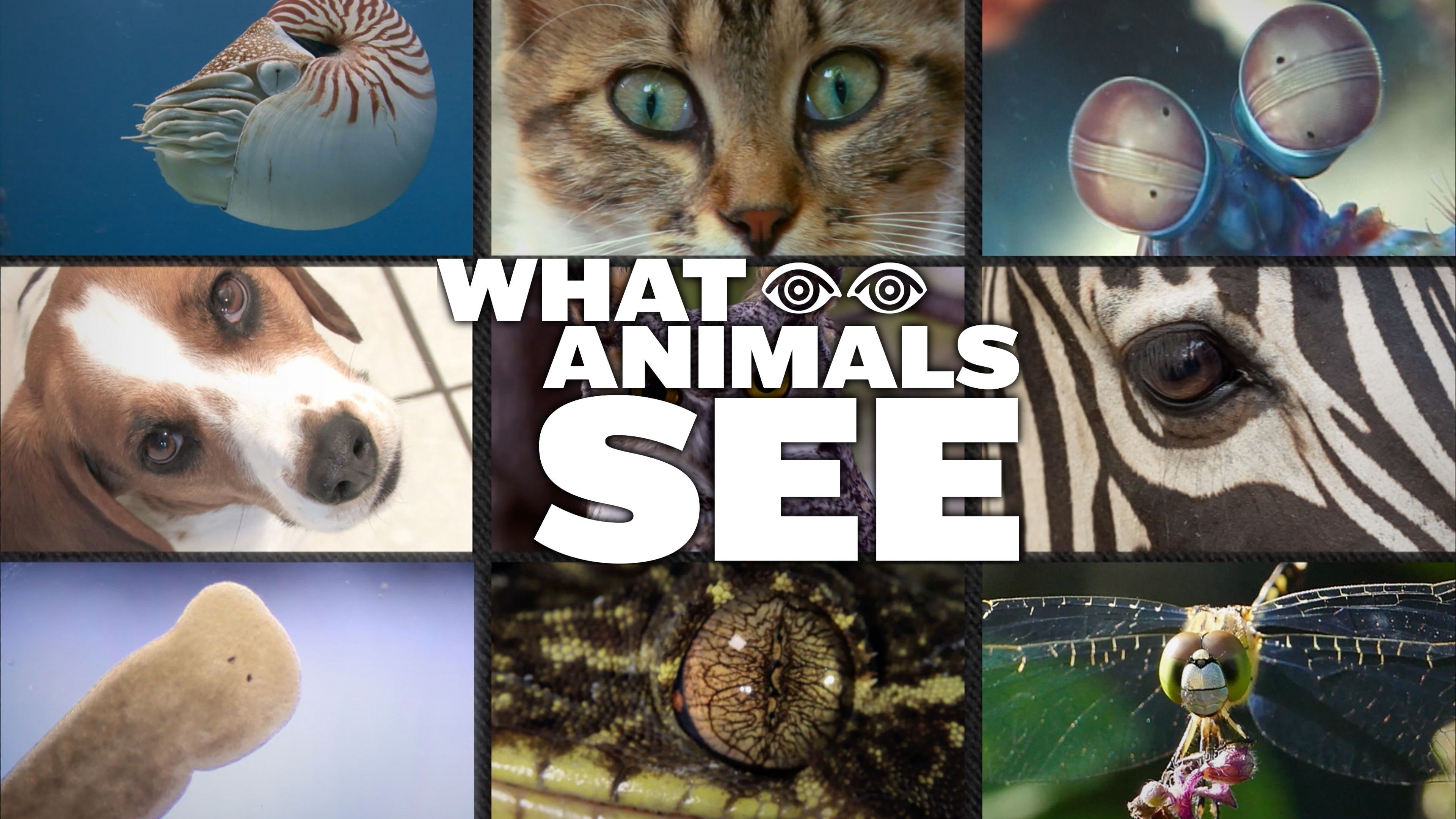
How do animals experience the world around them? How does what they see impact their place in nature and how has their place in nature impacted what they see? We asked Professor Thomas Cronin to show us how the most interesting and prolific eyes in the animal kingdom work and how they came to be.
 Original
- E79
- 18m
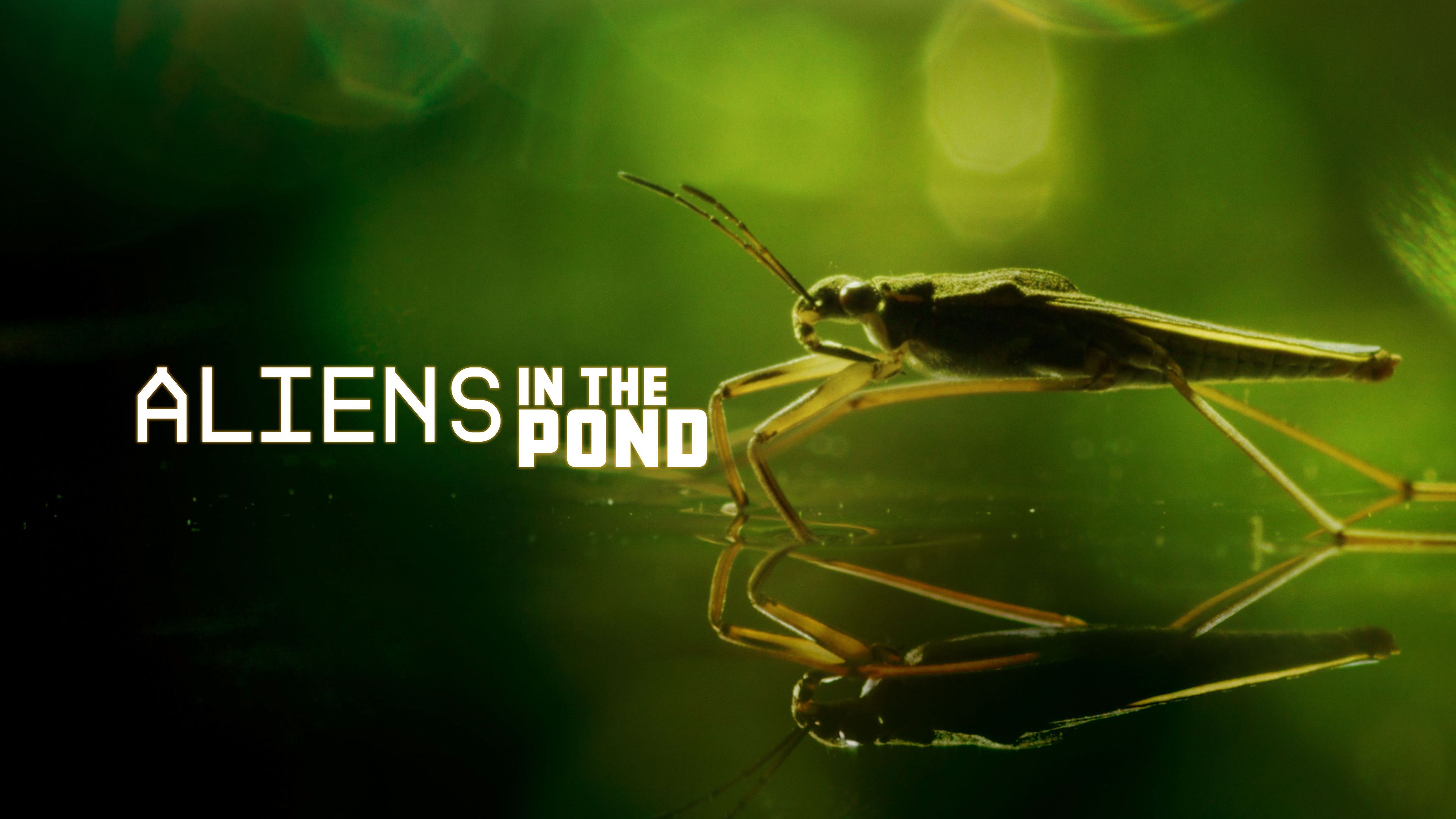
An alien world of bizarre creatures exists in the surface film of most lakes and ponds - tiny insects, with incredible capabilities, locked in a life and death struggle to survive.
- 55m
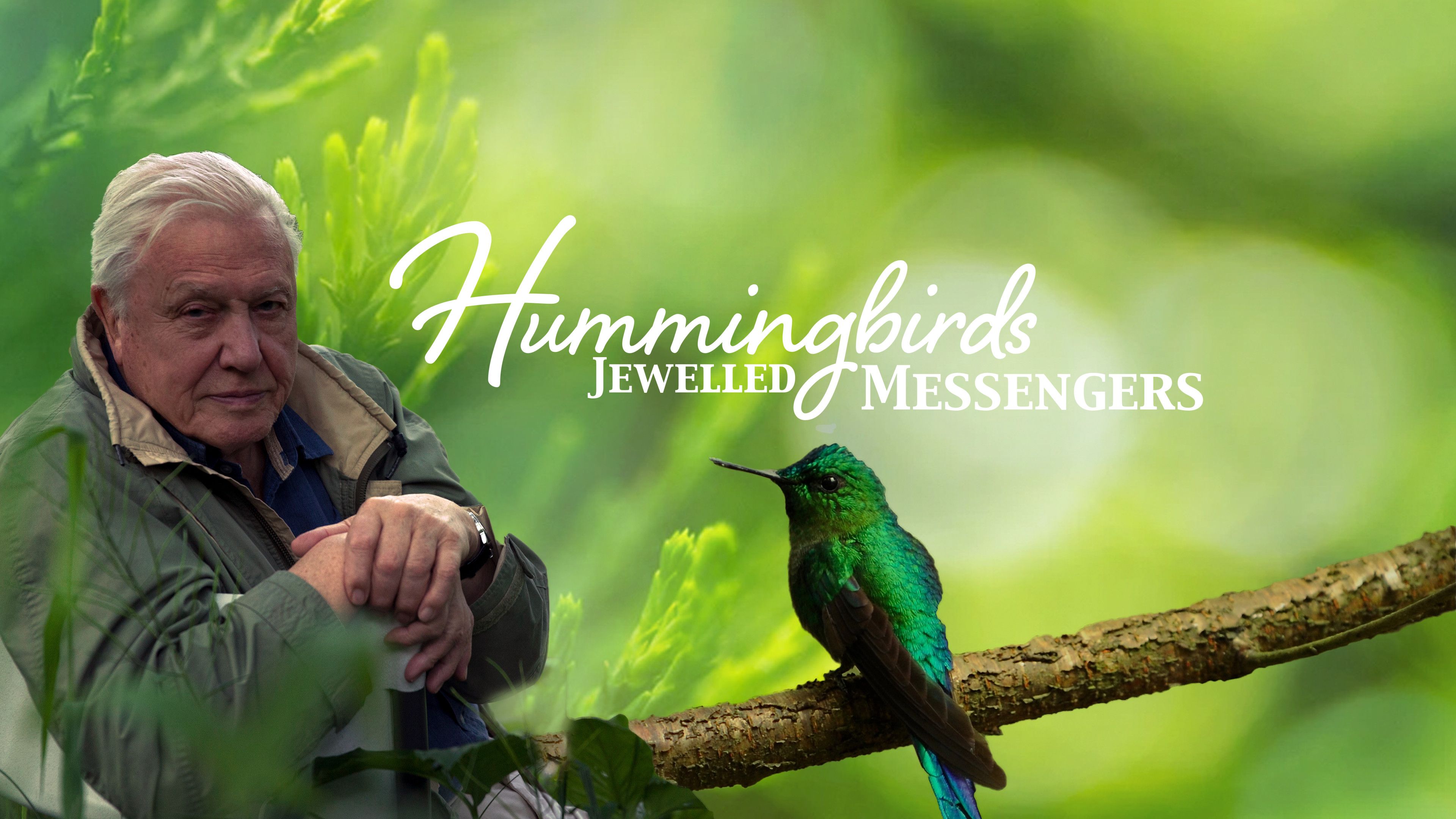
In this award-winning film, David Attenborough narrates this close up look at these tiny pollinators captured in flight as never before. Acrobats of the air - flying jewels - iridescent partners of countless plants: hummingbirds are amongst the most remarkable creatures on our planet.
 Original
- E80
- 23m
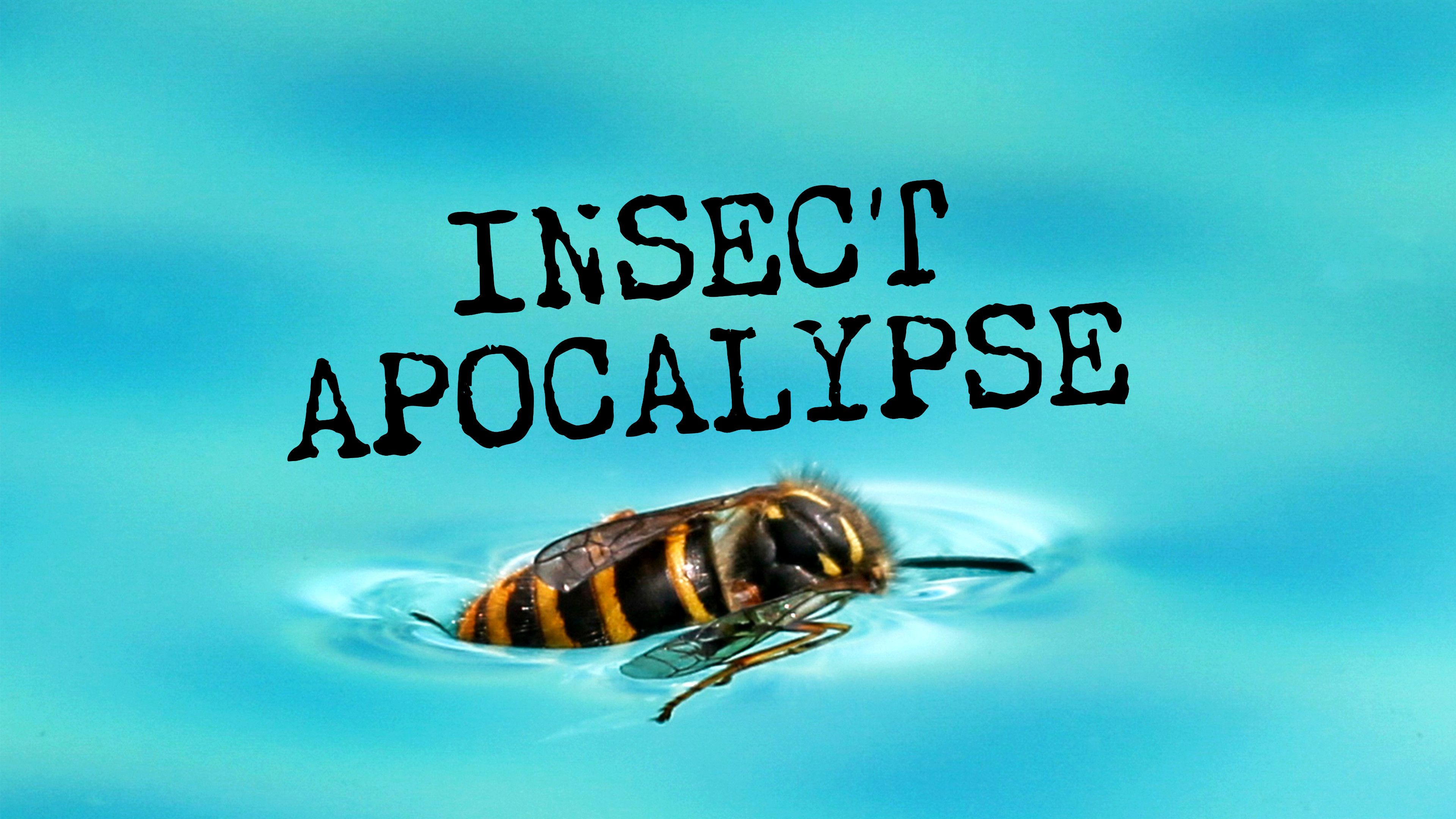
An alarming decline in insect populations could devastate all life on earth. What's causing it, and can anything be done to stop it?
 Original
- E48
- 21m
Hundreds of millions of people around the world could run out of water soon. Experts are desperately searching for solutions to stave off "Day Zero" when the taps will run dry. But the recent discovery of a massive aquifer hidden beneath the U.S. coastline may offer the greatest hope for humanity.
 Original
- 33m
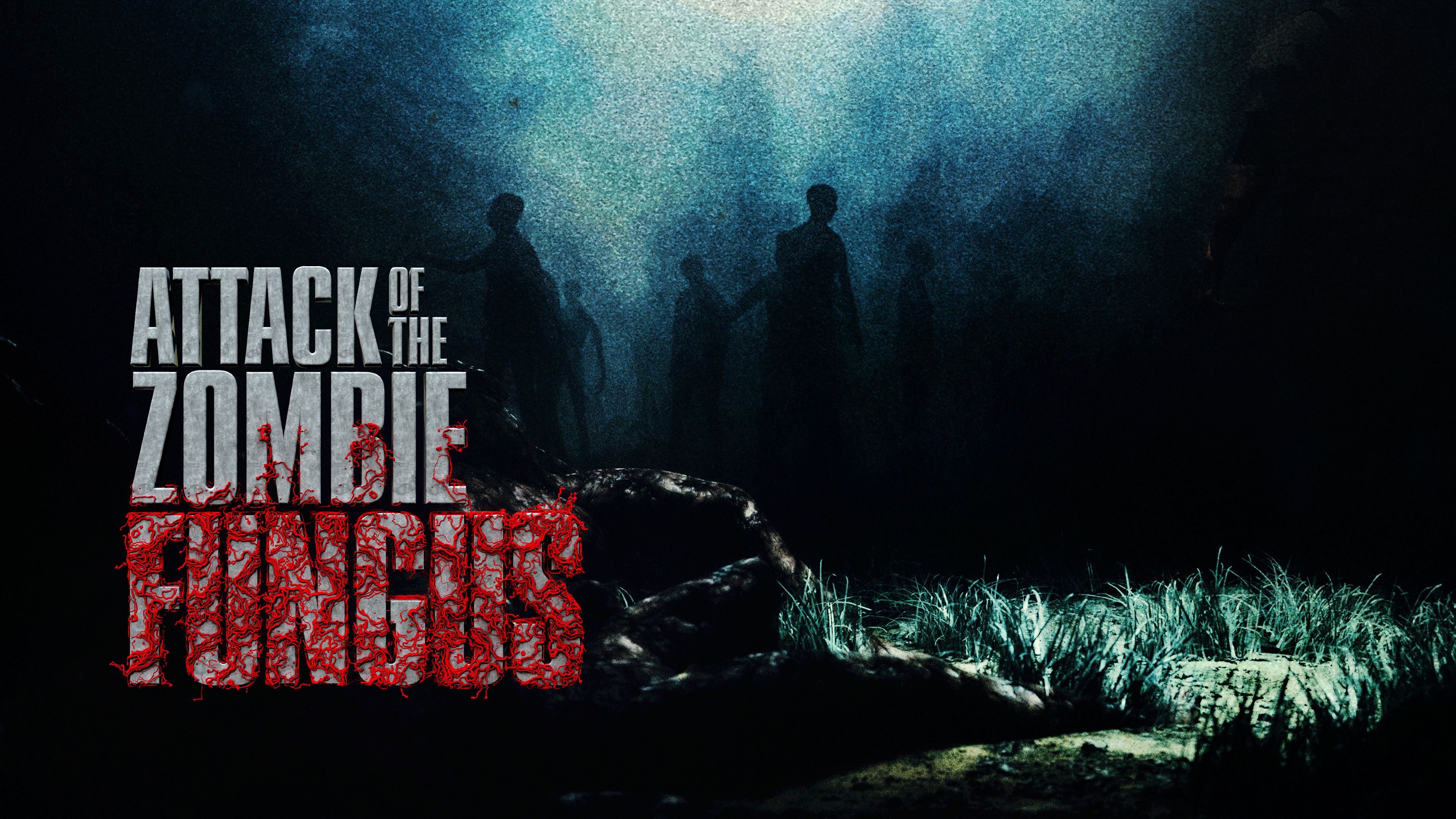
We think of fungi as the bottom of the food chain, the recyclers in the circle of life. But fungi are predators. They feed on life. And there are more out there than we ever knew. As we spread into every corner of planet Earth, they are also discovering us – and that we might be the perfect host.

- 50m
Germany has some of Europe’s most famous and exciting cities, but that’s nothing compared to its natural wonders for those willing to step off the beaten track. Great lakes and rivers teem with fish and birdlife, ancient and vast forests hide boars and lynx.
 Original
- 3 episodes
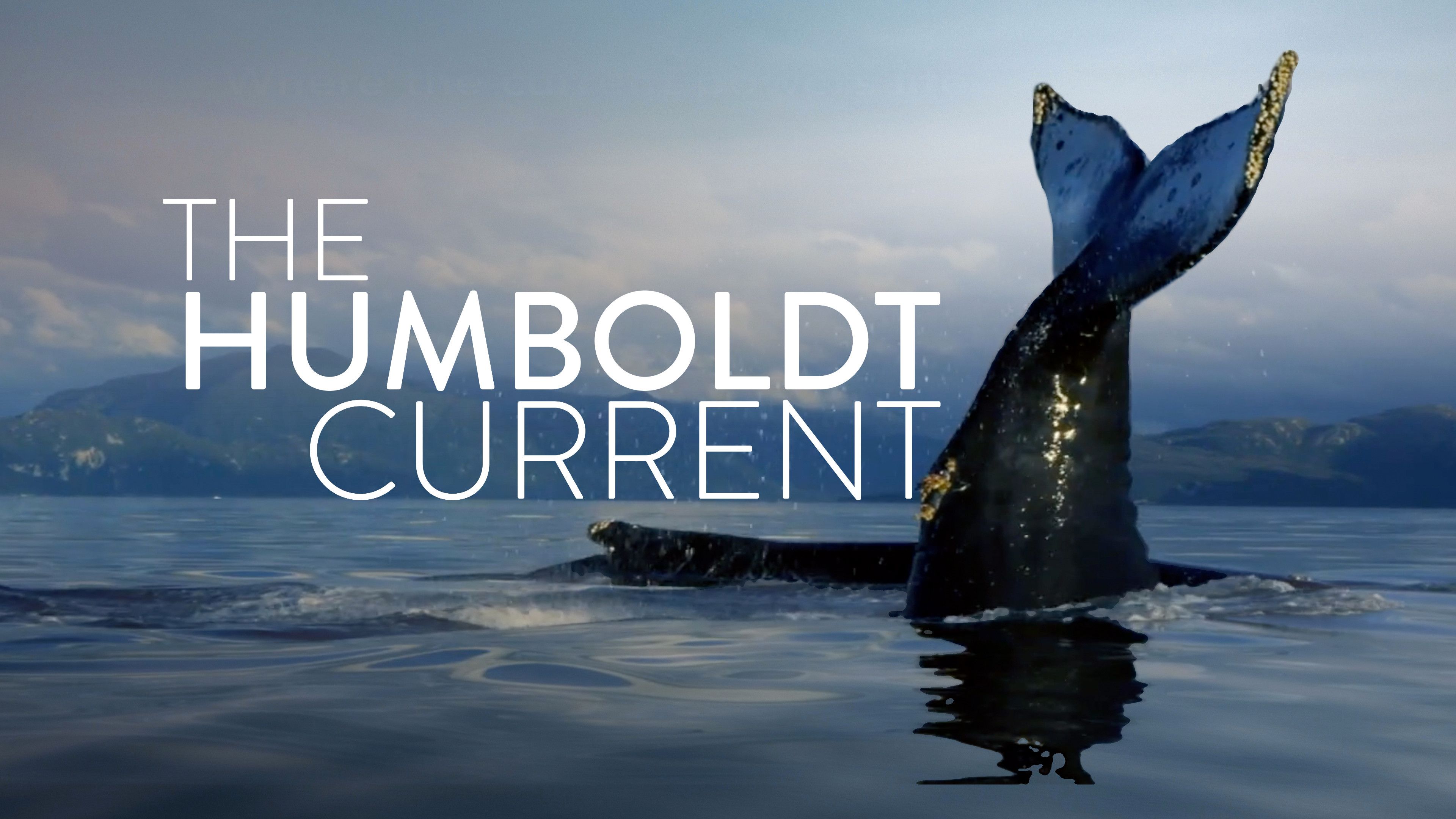
The Humboldt Current is part of a much larger system, the South Pacific Gyre, and the equator as its uppermost limit.
 Original
- 6 episodes
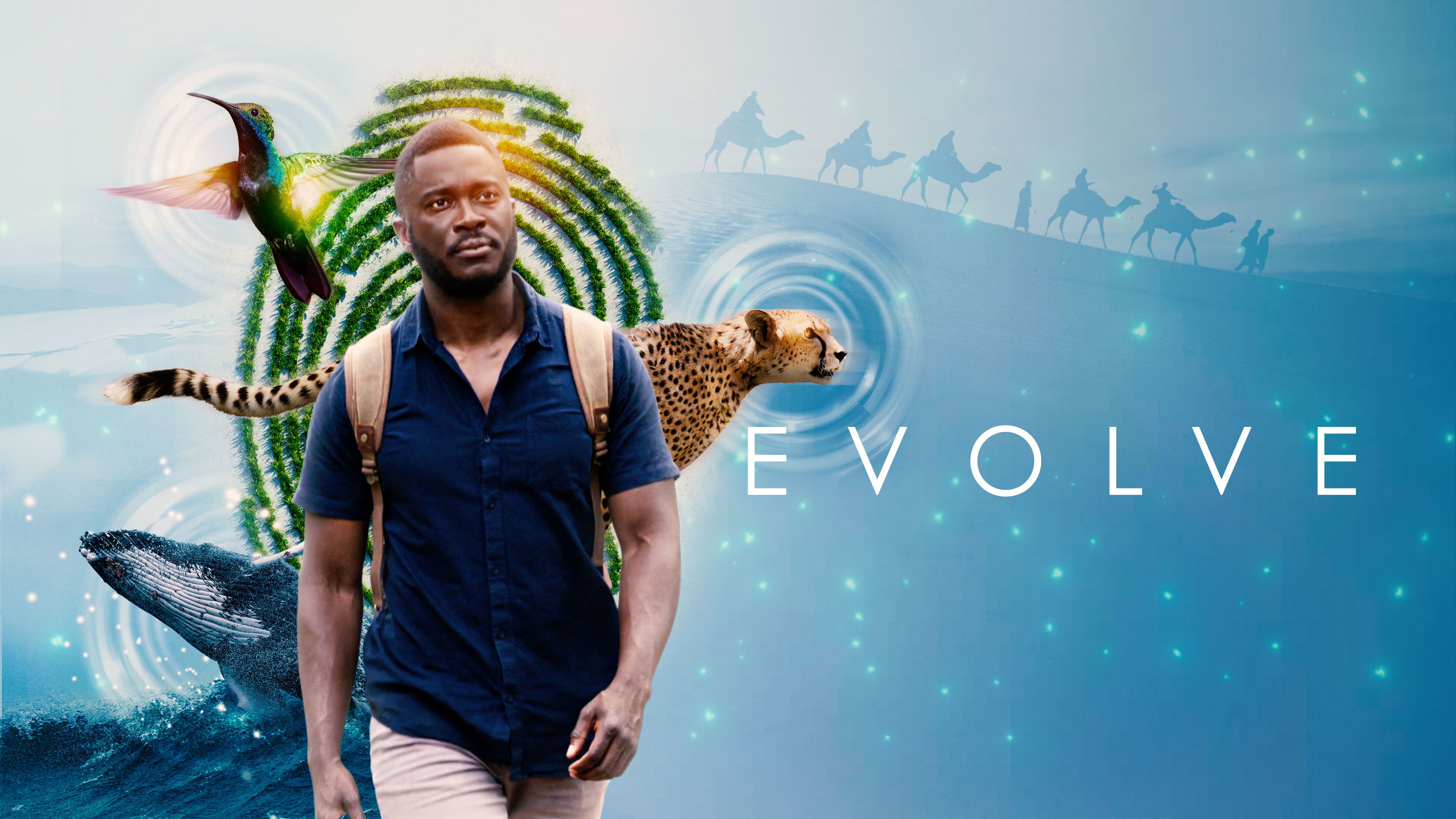
Biologist Patrick Aryee embarks on a high-octane adventure to discover how nature can help us solve humanity’s biggest challenges.
 Original
- E68
- 15m
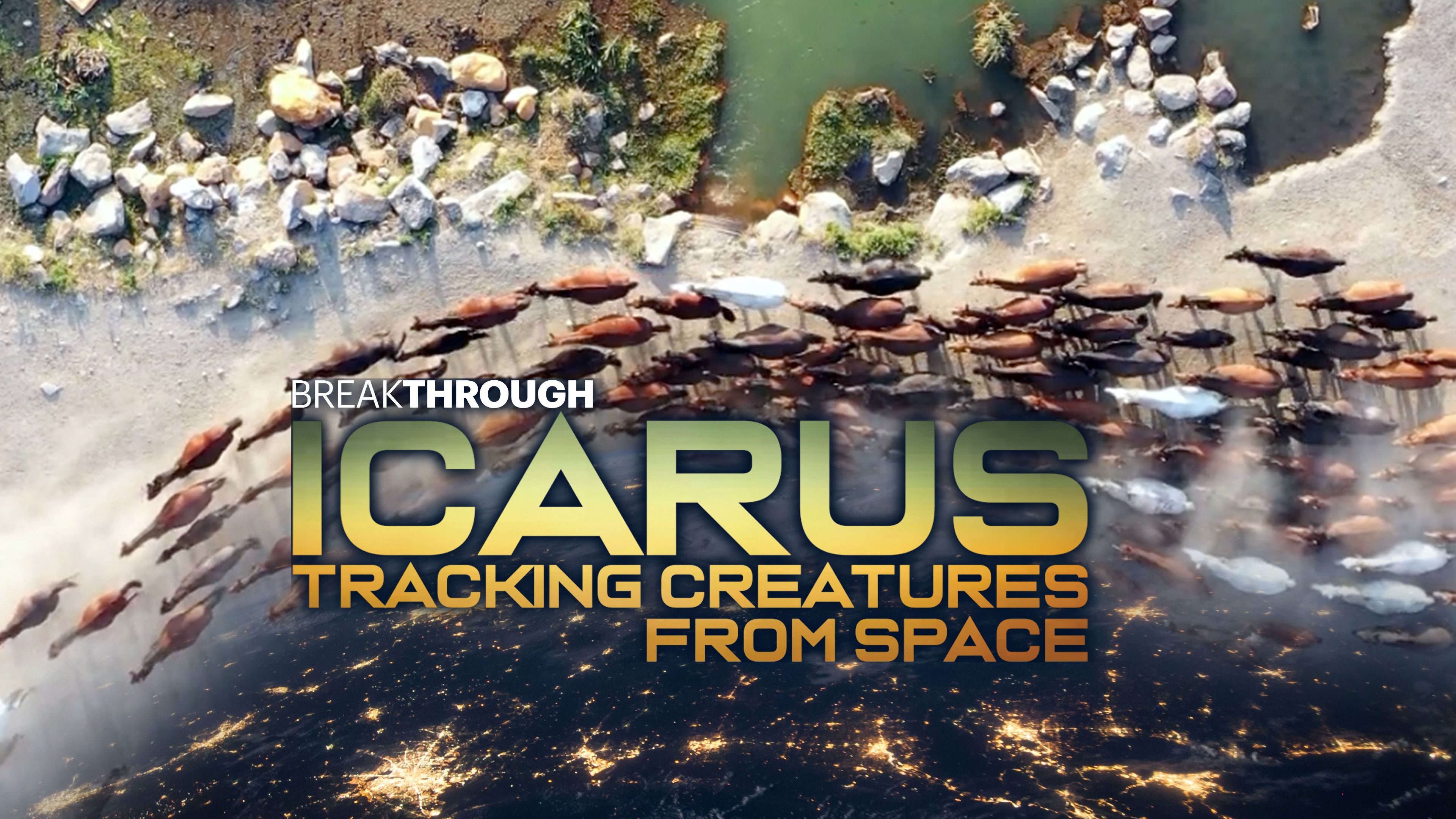
The ICARUS system monitors the movements and behaviors of Earth’s creatures from space. An antenna mounted on the International Space Station receives data from tiny trackers attached to animals and birds, opening the door to new discoveries that can warn us of natural disasters and outbreaks.
 Original
- 3 episodes
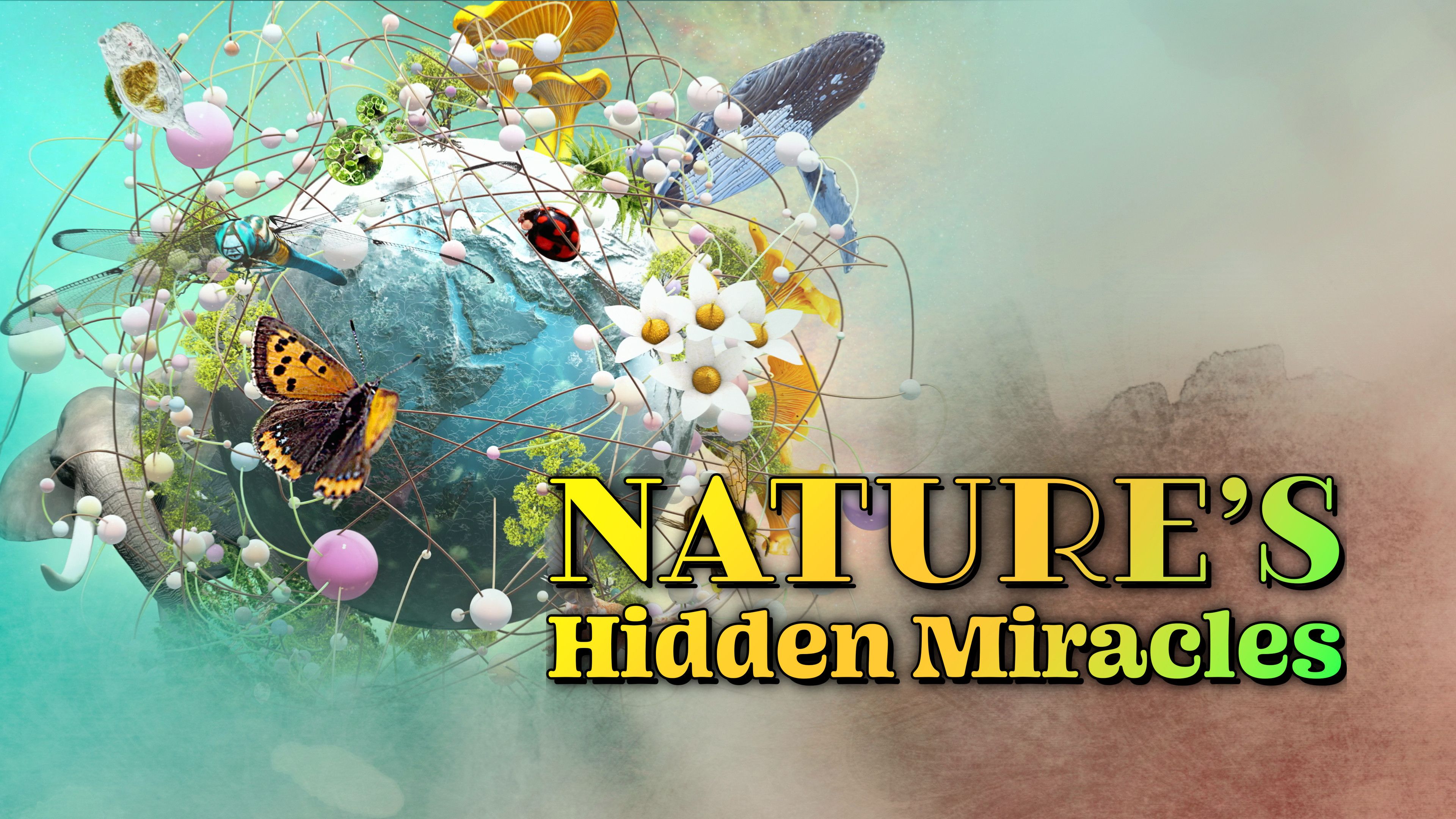
Life on Earth can be fiercely competitive and, at the same time, intricately interconnected as species survive through one another.
 Original
- 4 episodes
By 2100 over 1 billion people on Earth will live in low-lying coastal zones. 70% of these will live in Southeast Asia.
 Original
- 5 episodes
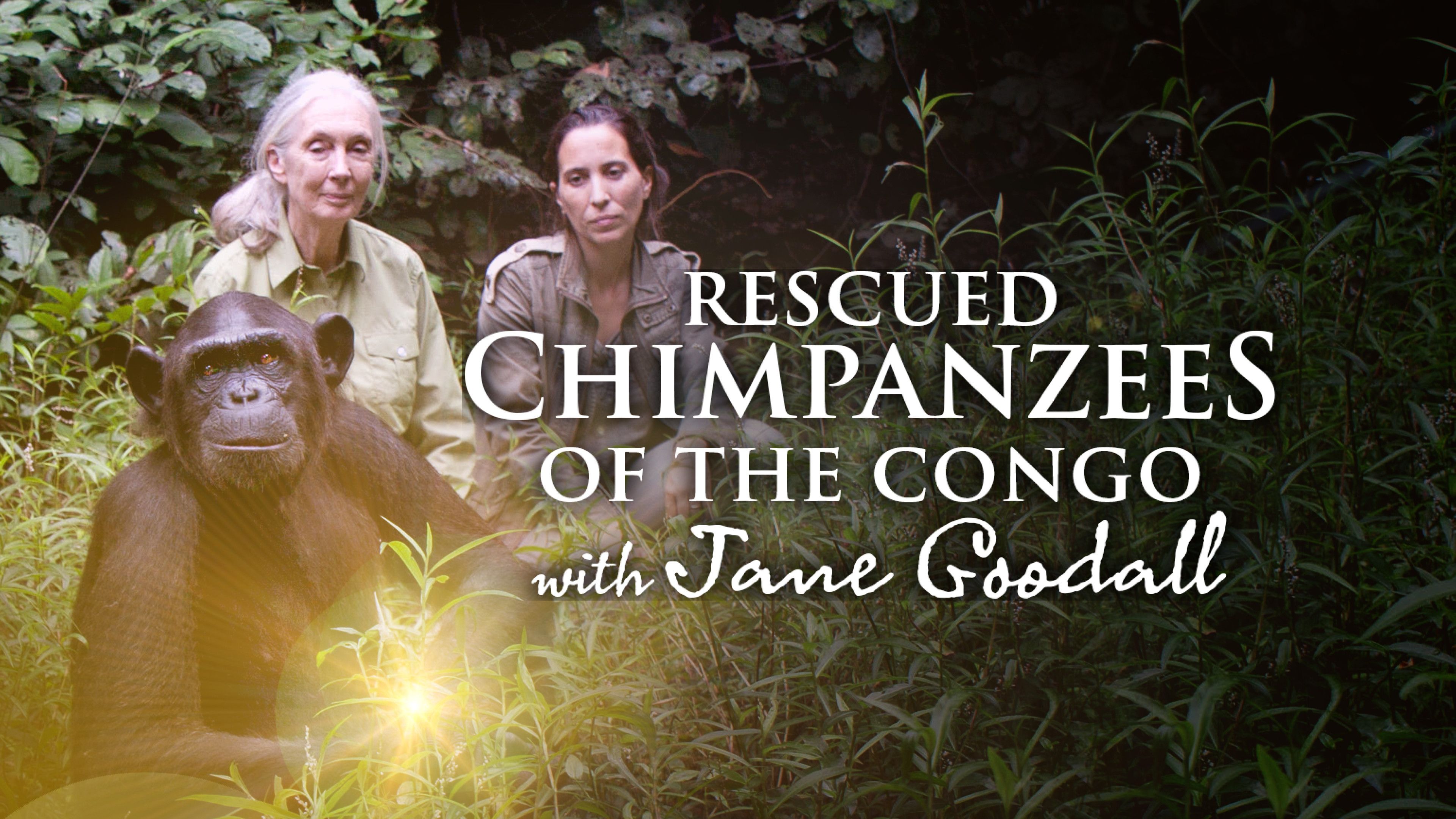
Jane Goodall braved a realm of unknowns to give the world a remarkable window into humankind’s closest living relatives.
 Original
- E73
- 14m
Forecasting volcanic eruptions is notoriously challenging, but teams of scientists from around the globe may soon be utilizing cosmic rays to diagnose when a volcano is about to blow.
 Original
- E71
- 13m
New research reveals how incredible these ancient, unchanged reptiles really are - partly because of what’s called negligible senescence. This means that Alligators show almost no signs of aging -- regardless of how long they live - and that they are “biologically immortal.”
 Original
- E9
- 15m
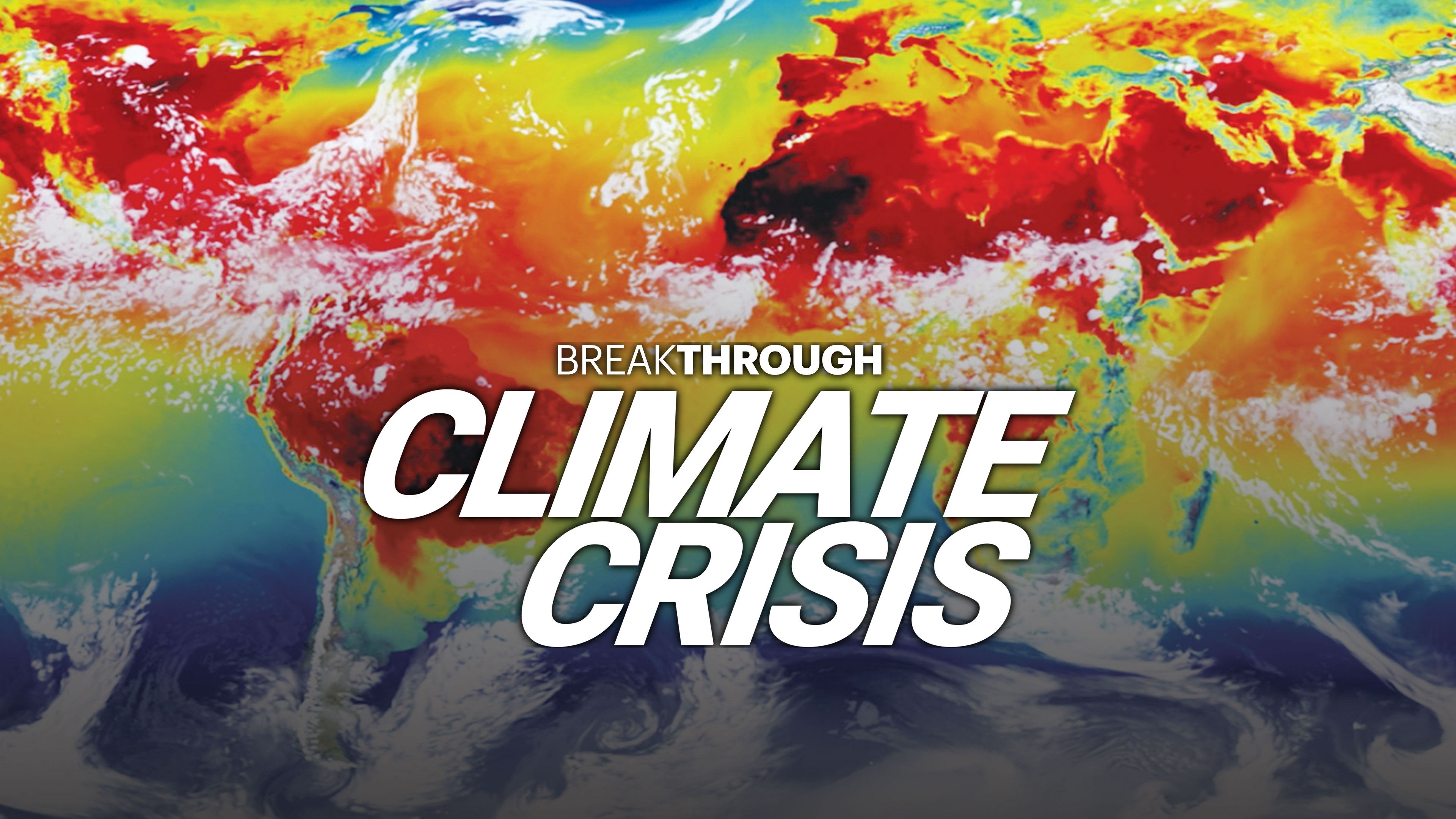
The real impact of global warming is now being felt in communities around the world. Climate scientists explain what to expect where you live, and what steps might still be taken to reverse the climate crisis.
 Original
- E19
- 13m
Great white sharks are one of the most feared predators on Earth, and yet we know very little about them. Science is now revealing the mysteries of this perfect predator through evolutionary biology.
 Original
- E18
- 16m
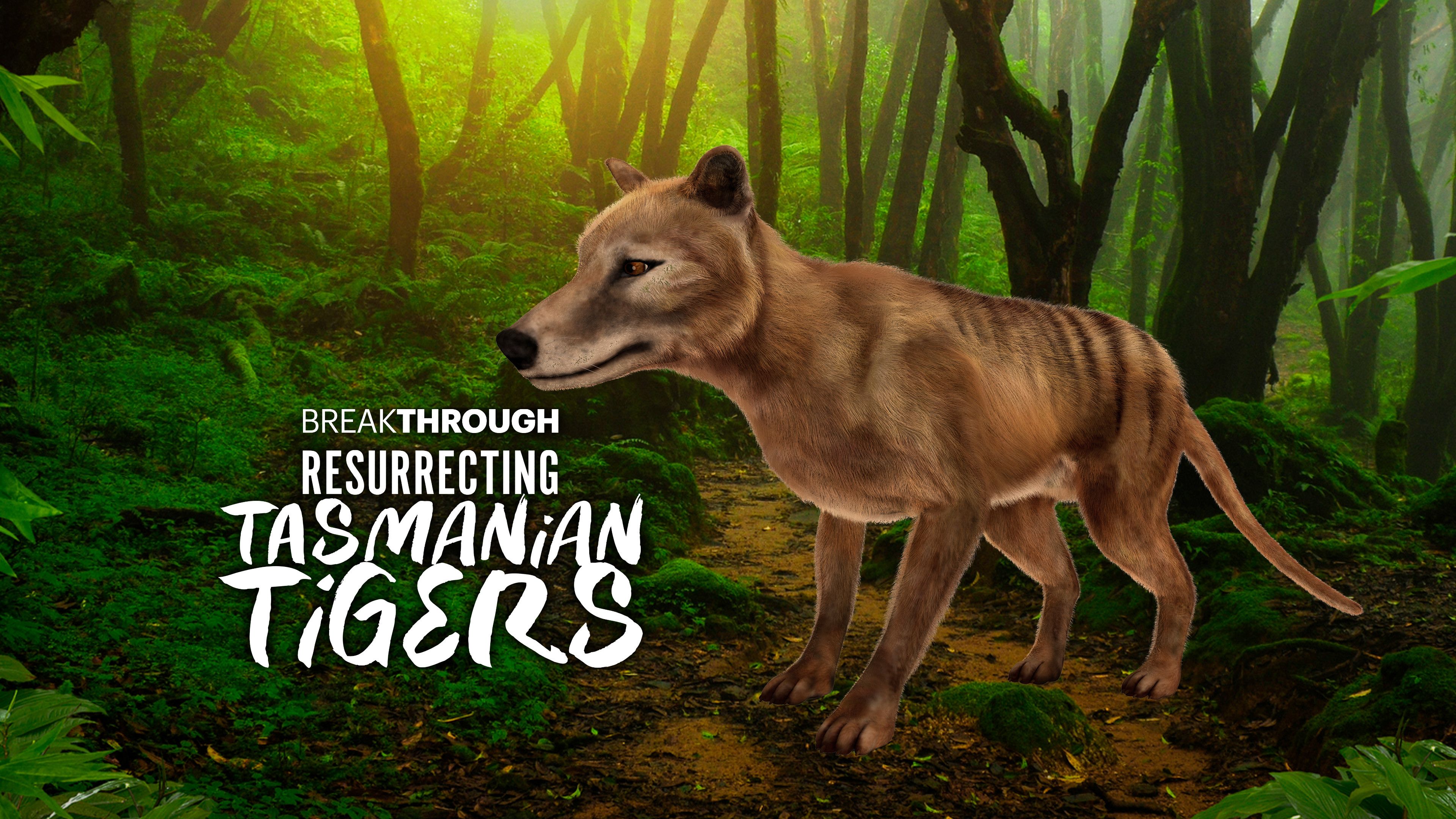
Wiped off the face of the Earth by humans nearly a century ago, geneticists are now working on resurrecting the enigmatic Tasmanian Tiger.
 Original
- E46
- 10m
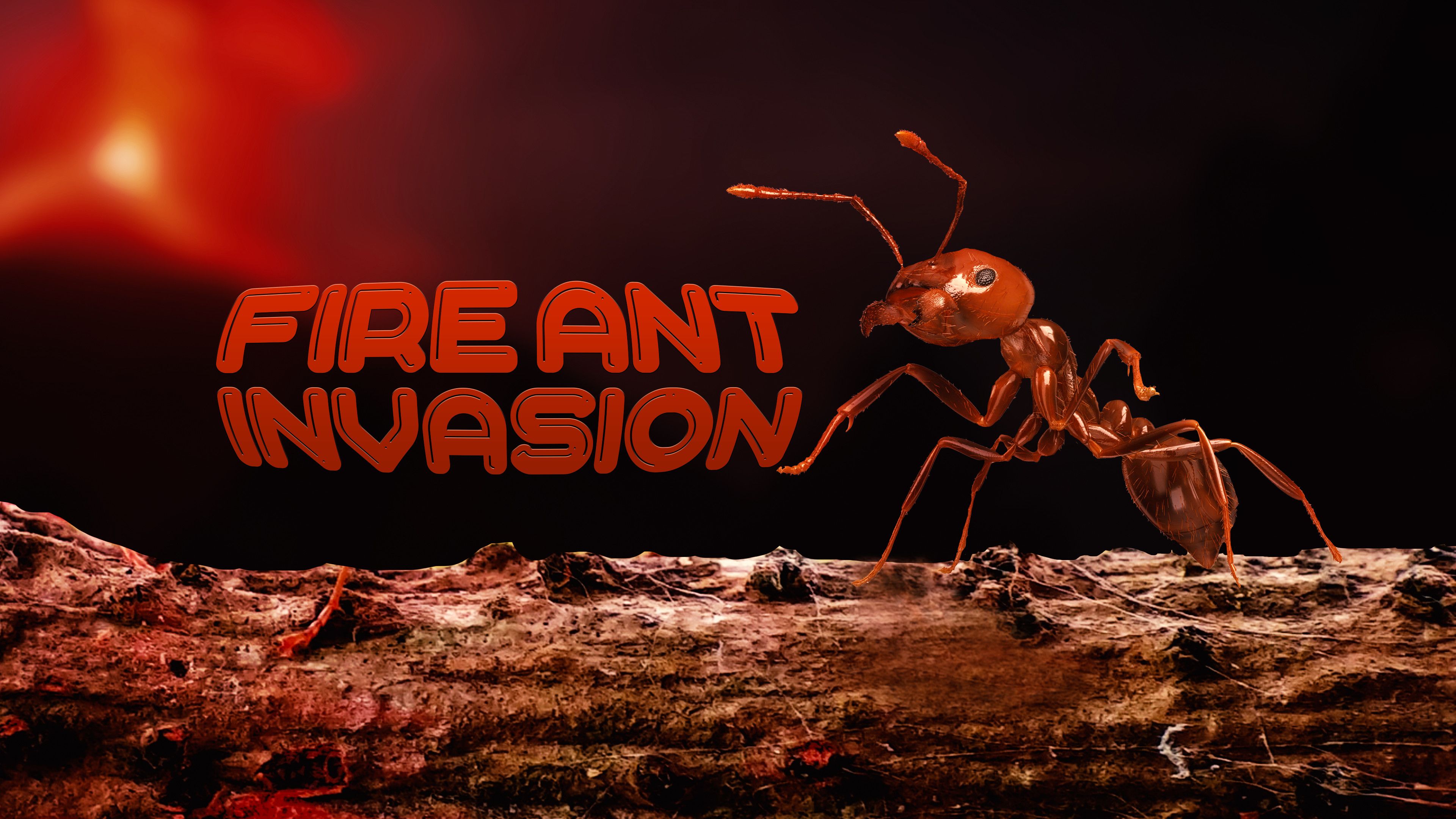
The fire ant strikes fear in all those who cross its path, and with good reason: this ant is taking over the world. A colony can contain up to 40 million individuals.It exterminates all other species, confiscates food for its own use, and ferociously defends its territory.
 Original
- 3 episodes
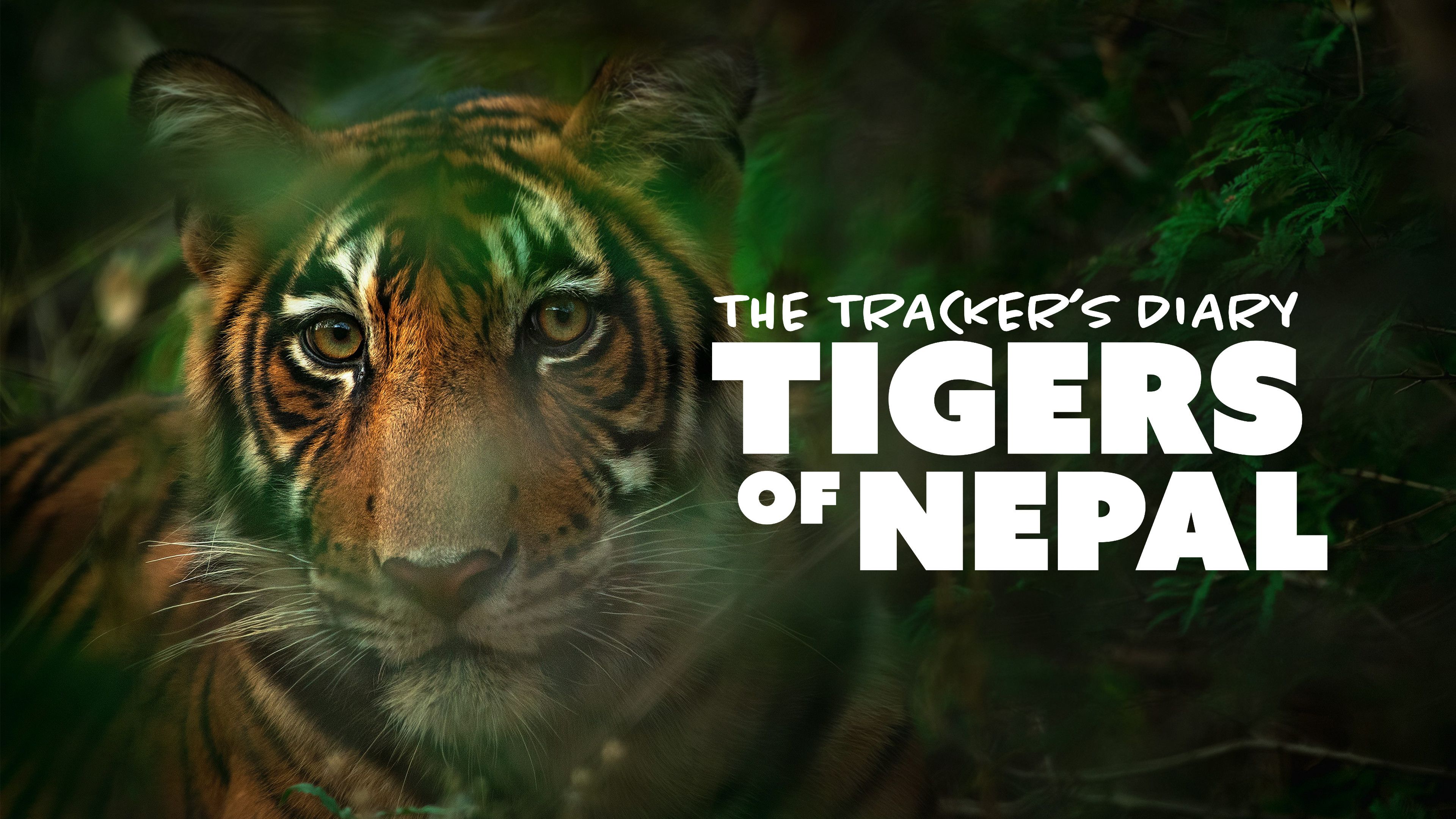
Nepal is known for its Bengal tigers, but only 300 remain in the wild. Tracker Casey Anderson is determined to walk in their footsteps.
 Original
- 22m
They've captured our imagination and are a source of childlike wonder, but what exactly are rainbows? Learn the science behind these weather phenomenon and how one day they might help pinpoint habitable planets in deep space.
 Original
- E52
- 11m
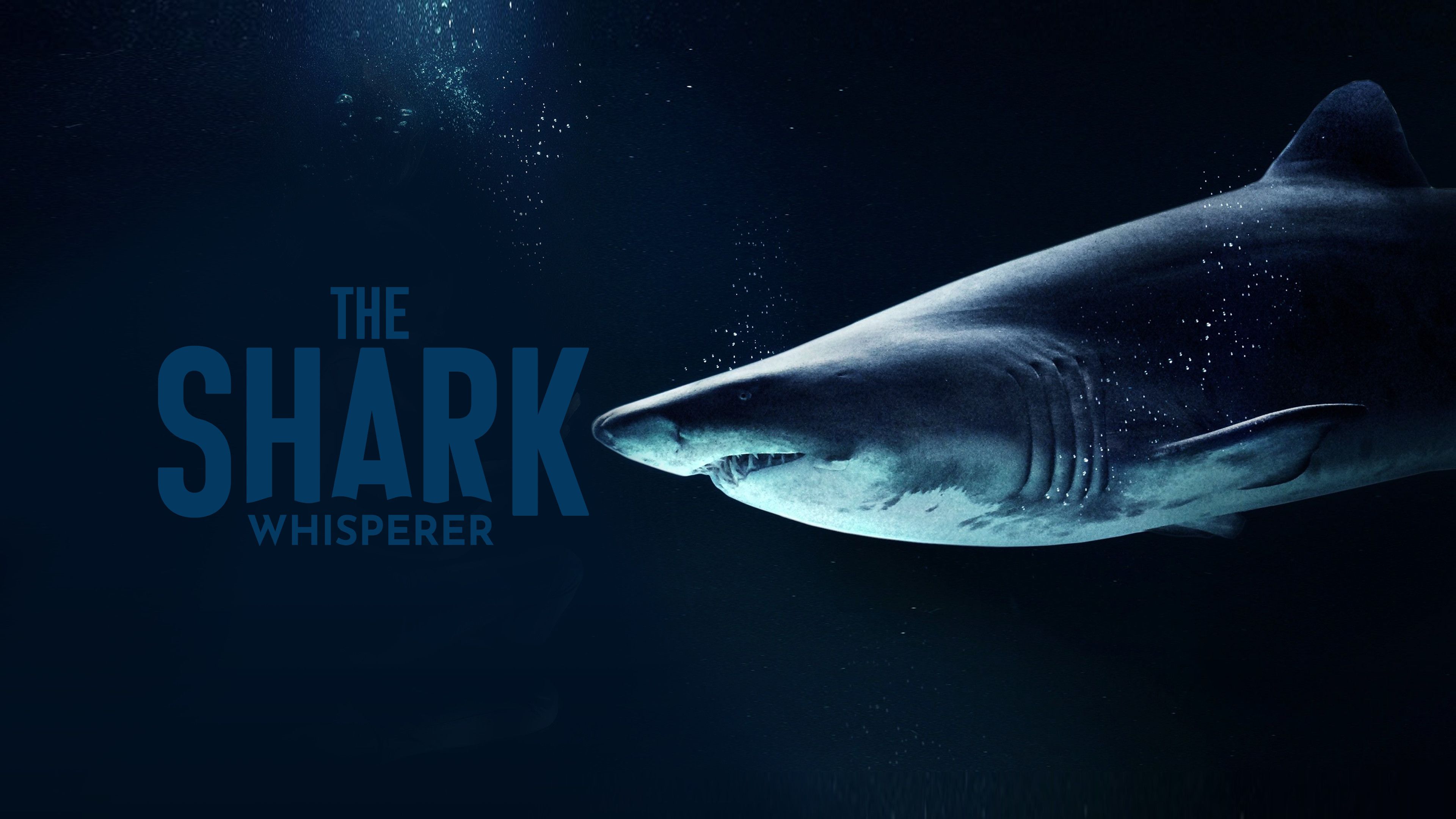
Shark expert Jim Abernethy conducts stunning, cage-free dives with the ocean’s greatest predators to demonstrate they are not mindless, man-eating monsters.
 Original
- 5 episodes
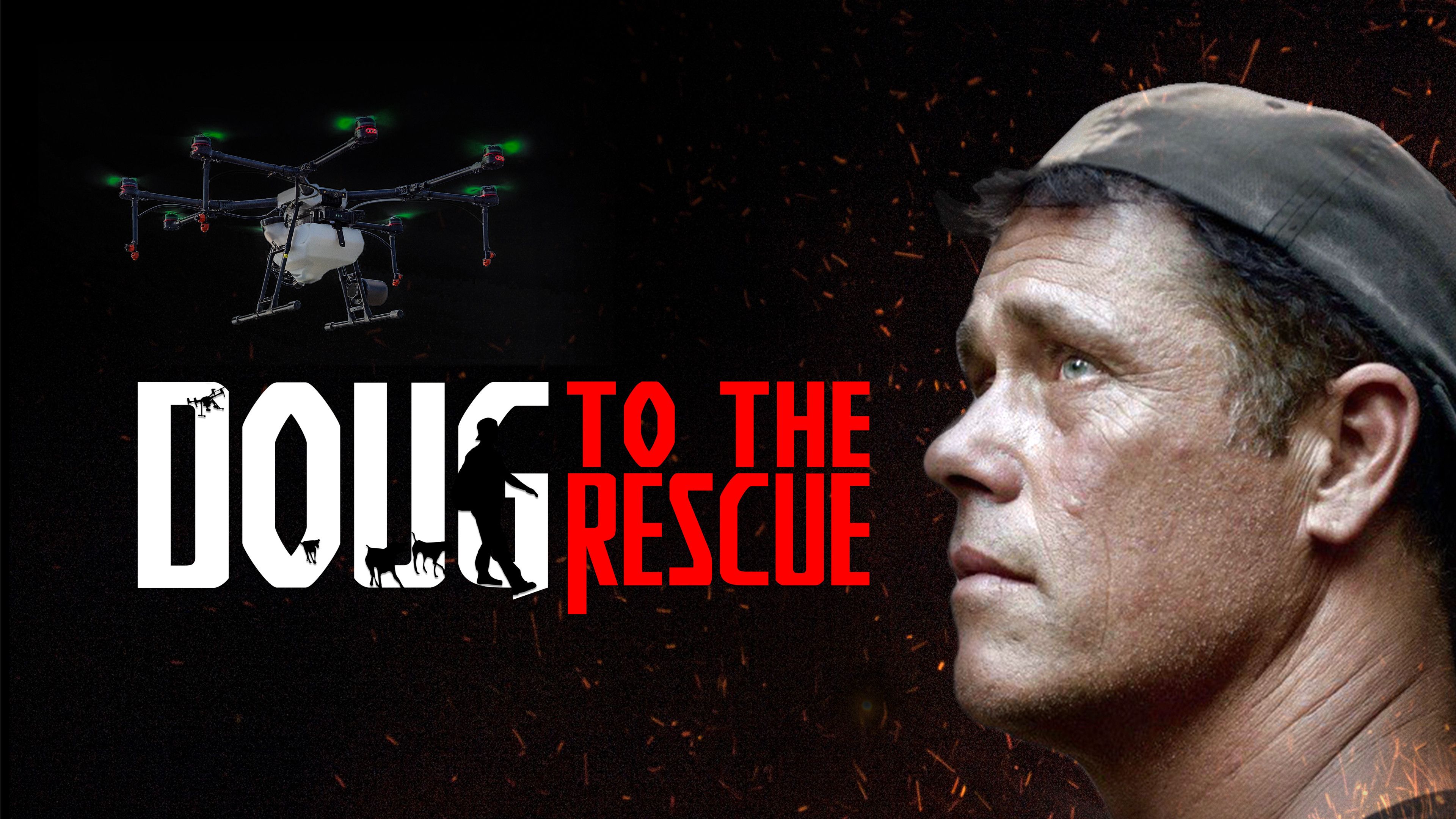
Equipped with a cutting-edge infrared drone, Doug Thron heads into disaster zones to save the cats and dogs that have been left behind.
 Original
- E1
- 9m
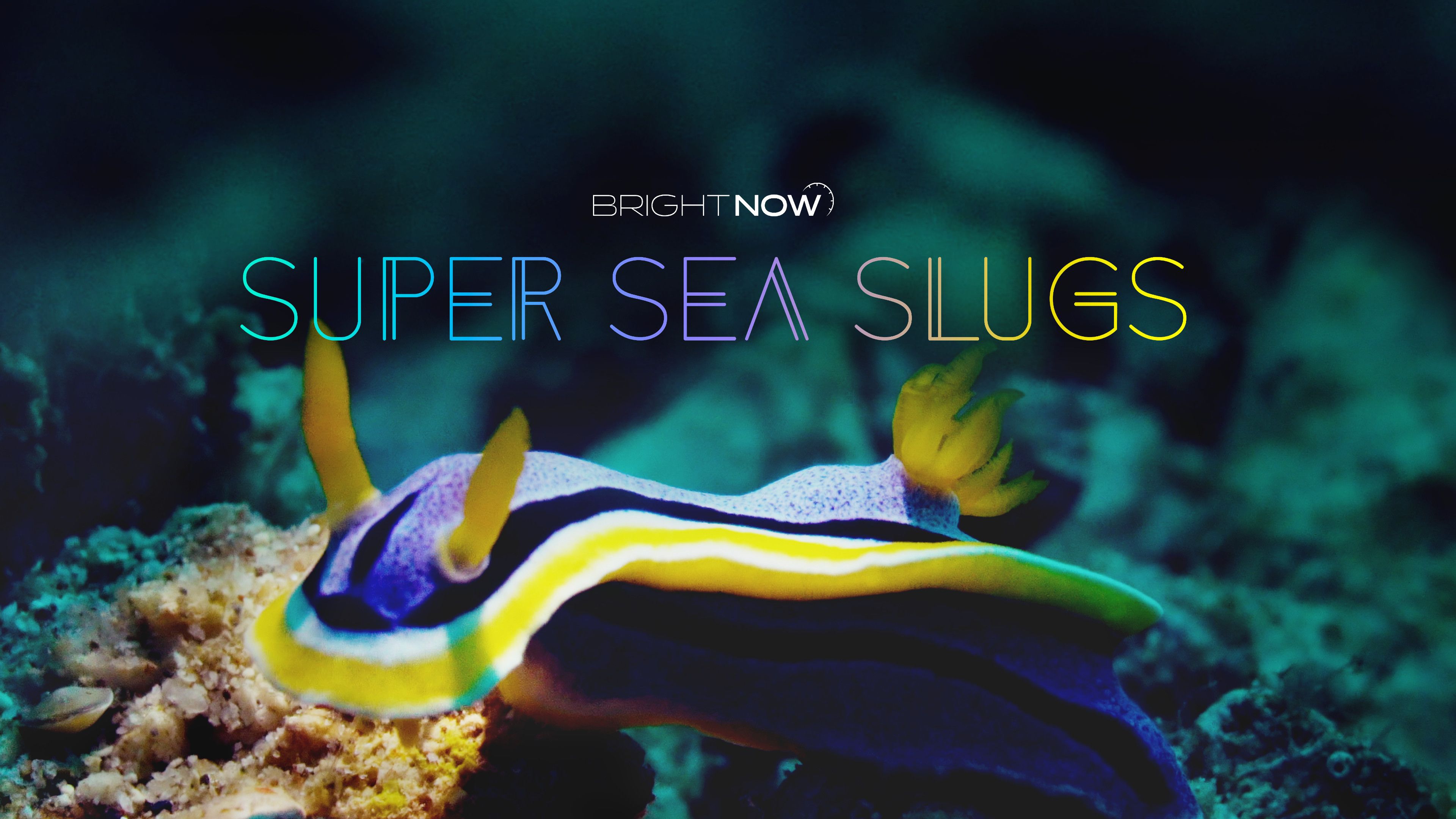
Adaptations in the oceans most colorful invertebrates. Nudibranchs, or sea slugs, have a remarkable range of adaptations to survive in the ocean. From weaponizing stinging cells, harvesting the power of the sun, spraying sulfuric acid, and turning their bodies into drift nets.
 Original
- 6 episodes
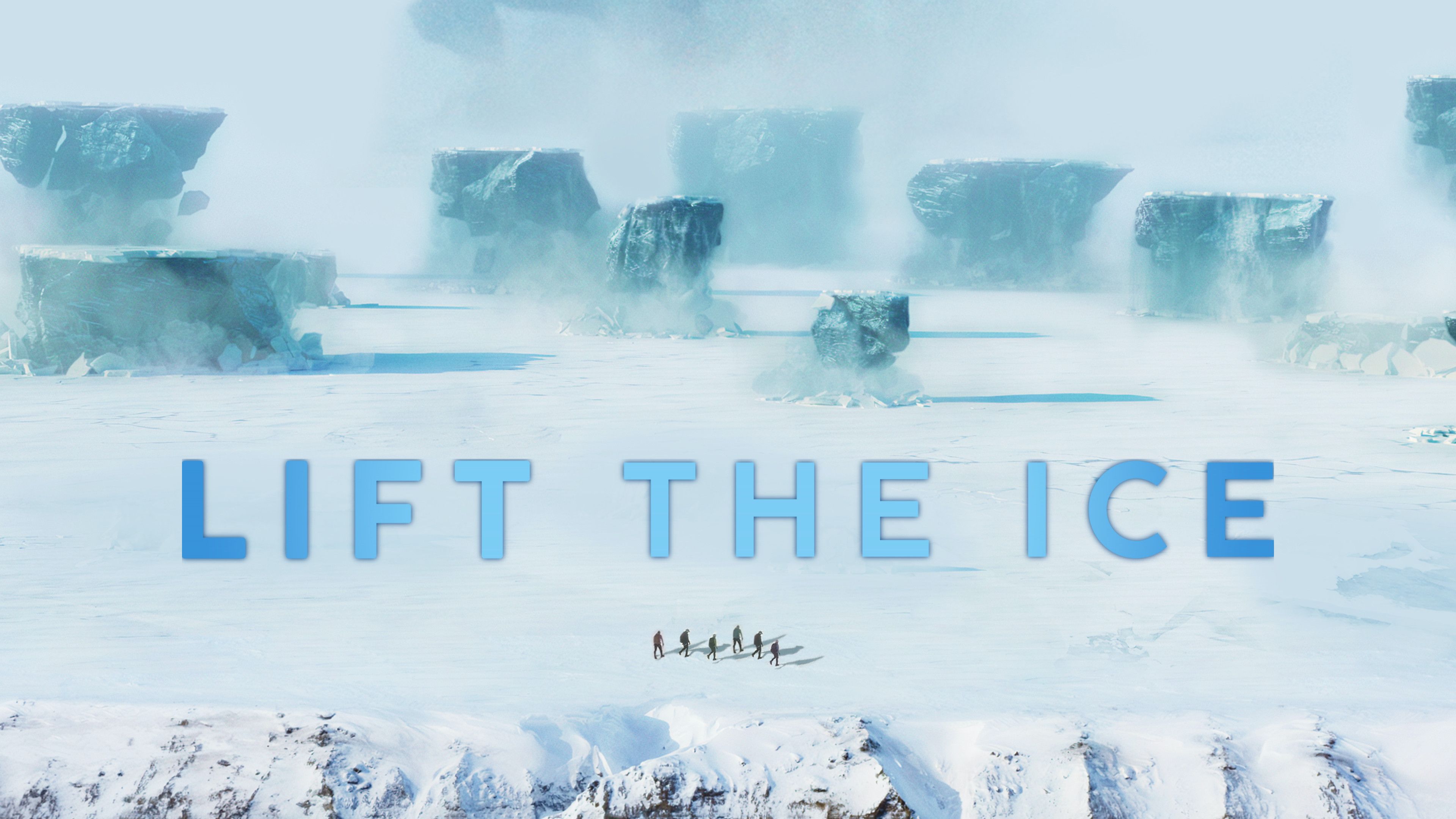
Lift the Ice follows the adventures of six uniquely skilled experts as they investigate the remarkable mysteries emerging from our ice.
 Original
- E3
- 11m
The Greenland ice sheet, the last remnant of the Ice Age, is melting at an unprecedented rate. Today, scientists and researchers from all over the world are paying close attention to what could become a global catastrophe.
 Original
- 35m
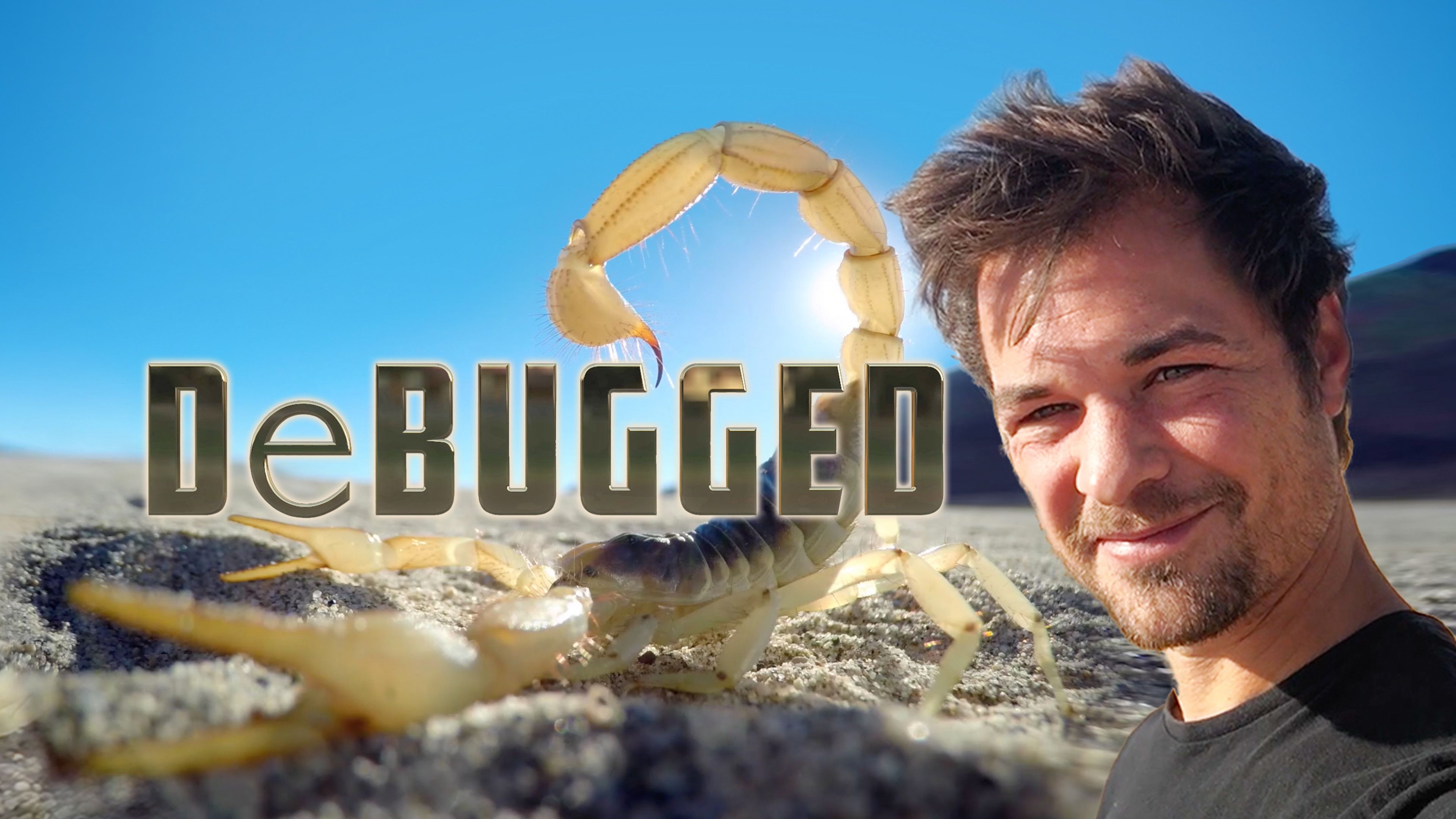
Bugs, they're everywhere. Get an up close and personal look at the many unique secrets that can be found in the insect world. These creepy crawlies never looked so big!
 Original
- E24
- 12m
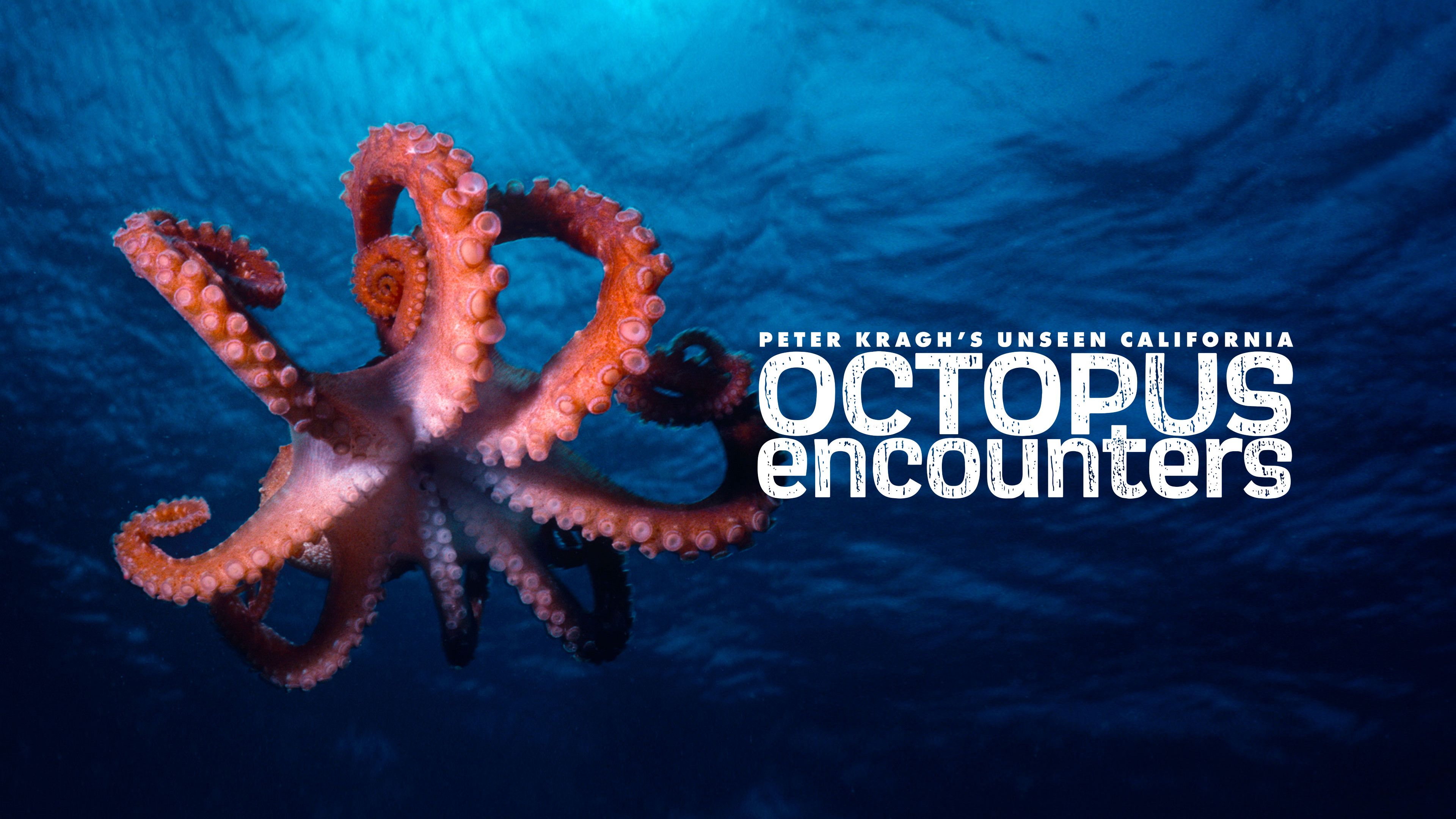
The octopus is as close to an alien being as anything we've seen on Earth. From a feeding frenzy at the bottom of the sea to a mother taking care of thousands of its eggs, travel to the pacific ocean to see them at their best and most weird.
- 13 episodes
Be an eyewitness to cataclysmic events all across the globe with dramatic footage of natural and manmade disasters from the past 100 years.
 Original
- E48
- 9m
Nearly a century after having disappeared from its natural habitat, the German wolf is making a comeback in its native ecosystem. The reason for their return and expansion could be thanks to an unlikely ally… the military.
 Original
- E64
- 12m
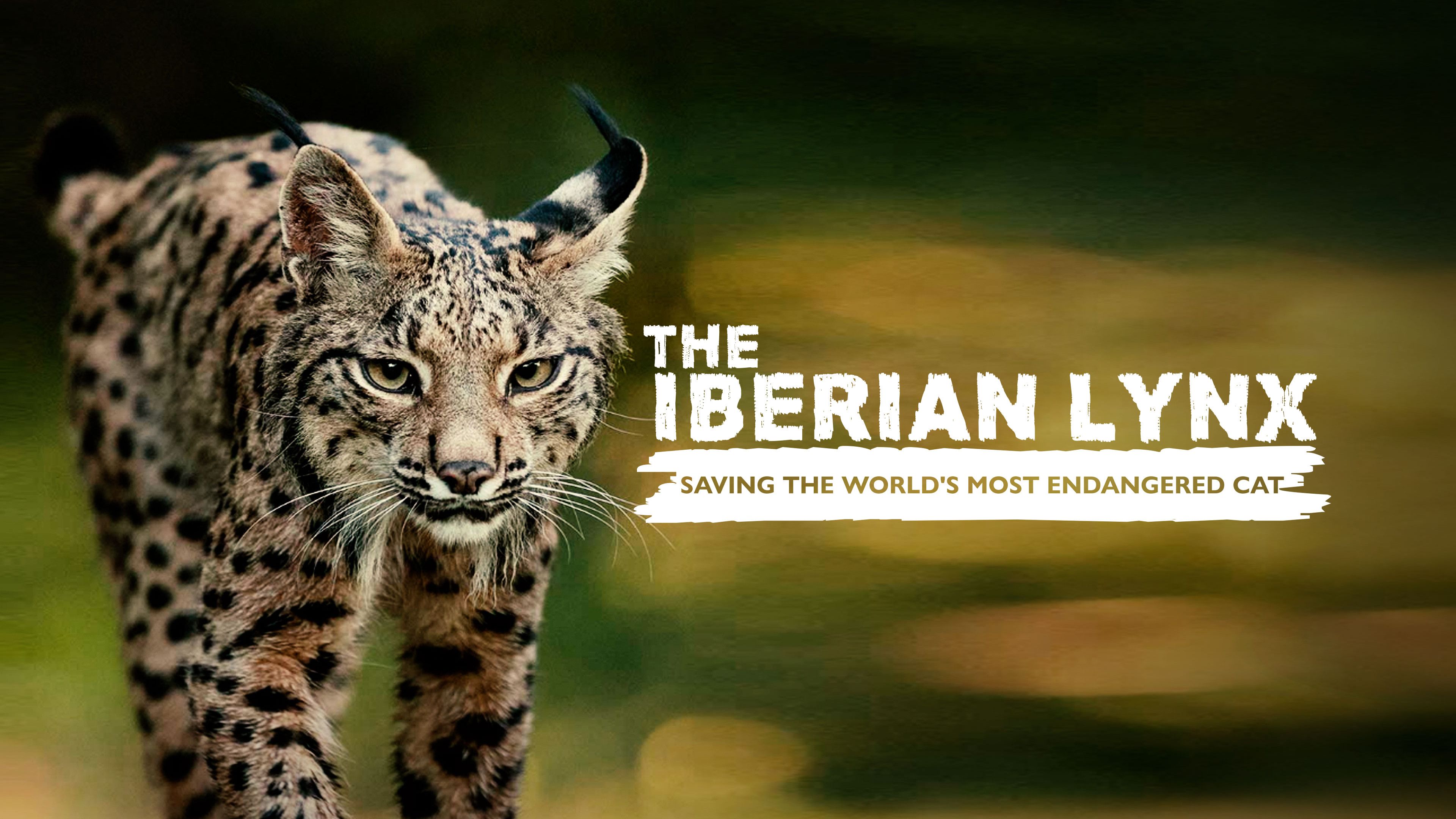
The Iberian Lynx, classified as the world’s most endangered cat, was once close to total extinction. Today, a group of scientists and conservationists are battling to repopulate the species, giving hope that these elusive animals may one day make a comeback.
 Original
- E5
- 15m
Wildfires have greatly increased in size and intensity over the past few years. After record-setting conflagrations erupted in the region’s prized forests, new tools using cutting-edge technology are being developed to help save property and lives.
 Original
- E7
- 11m
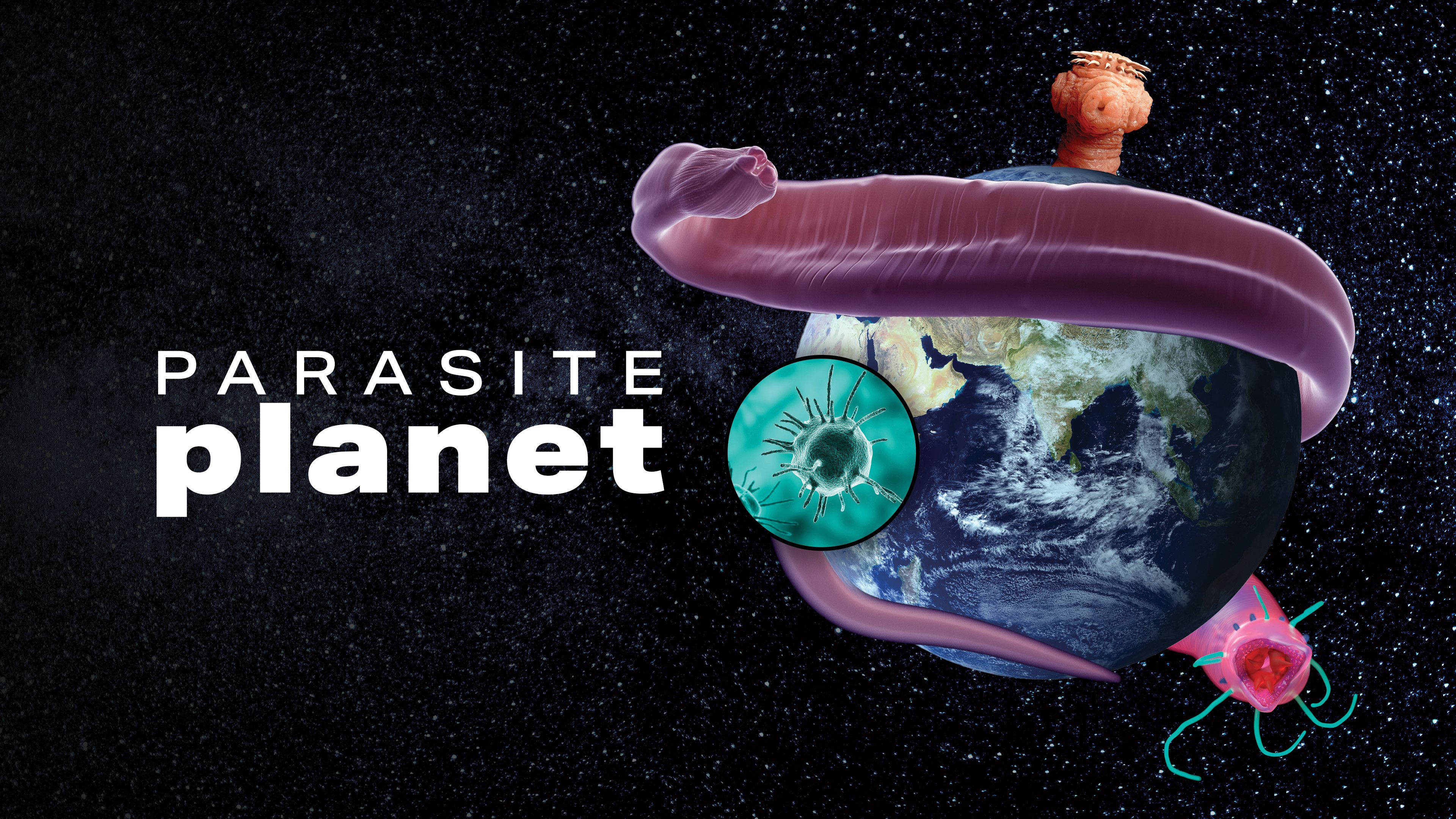
Should we save parasites? These species have a bad reputation but are an essential part of healthy ecosystems throughout the world. Learn how these unappreciated species are part of our ecology and evolution.
 Original
- E59
- 10m
In 1938, an American psychologist and ethnologist captured 500 macaque monkeys and brought them to a remote and uninhabited Caribbean island. His project was to study a primate population roaming free, in a giant open-air laboratory.
 Original
- E67
- 18m
Devastating swarms of locusts are devouring everything in their path from Africa to India. Scientists and citizens are waging a massive war with cutting edge technology to stop the infestation from becoming a deadly plague.
 Original
- E58
- 11m
Today, 24-hour forecasts are 95% reliable and 3-day forecasts are 80% reliable. How do scientists predict the weather and, each year, improve their predictions? It's a race against time using the latest technologies.
 Original
- E6
- 9m
Follow a family of sperm whales in the heart of the Indian Ocean. Alongside a team of scientists, who have witnessed their most intimate moments over the past 7 years, we will lift the veil on the largest-toothed predator on earth.
 Original
- 13m
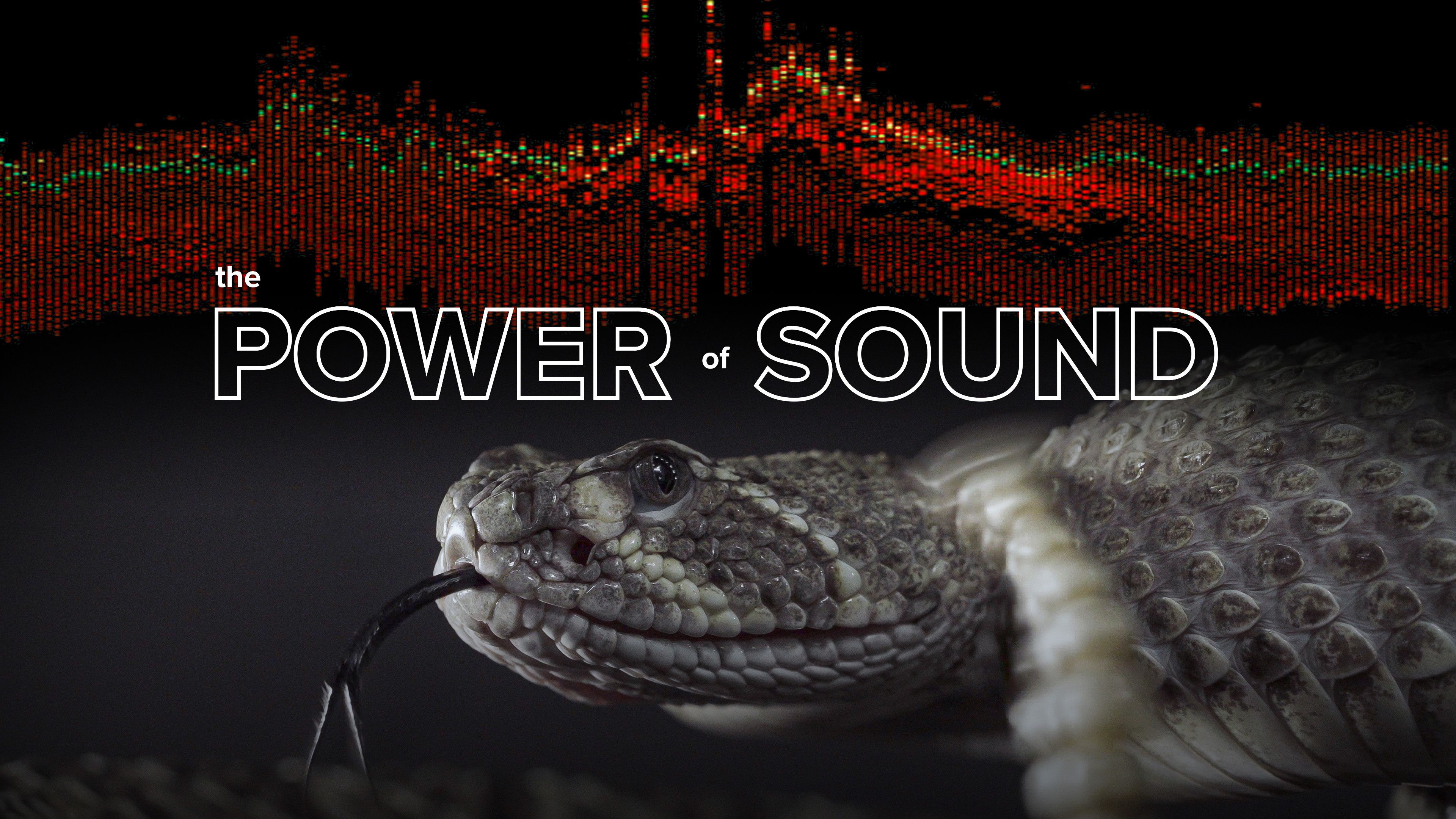
How much do you know about animal superpowers? Follow the everyday lives of prairie dogs, howler monkeys, and rattlesnakes, as they harness the power of sound to protect themselves.
 Original
- E22
- 13m
From wildflower blooms in the desert to large colonies of jellyfish off of Monterey and unbelievable glow in the dark waves, this is California at its finest. Life can bloom in the most unexpected of ways.

- 8 episodes
In this fun (and funny!) science series, Nigel Latta subjects himself to a variety of 'don't try this at home' experiments.
 Original
- 6 episodes
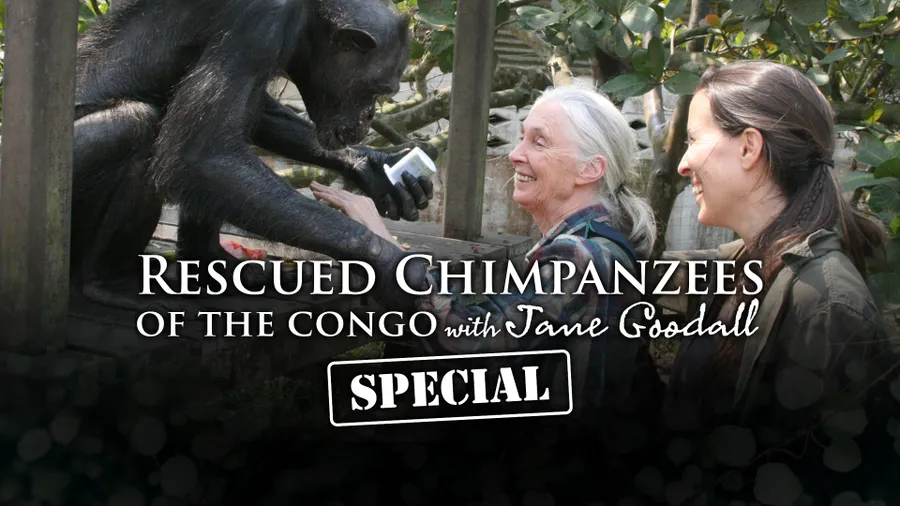
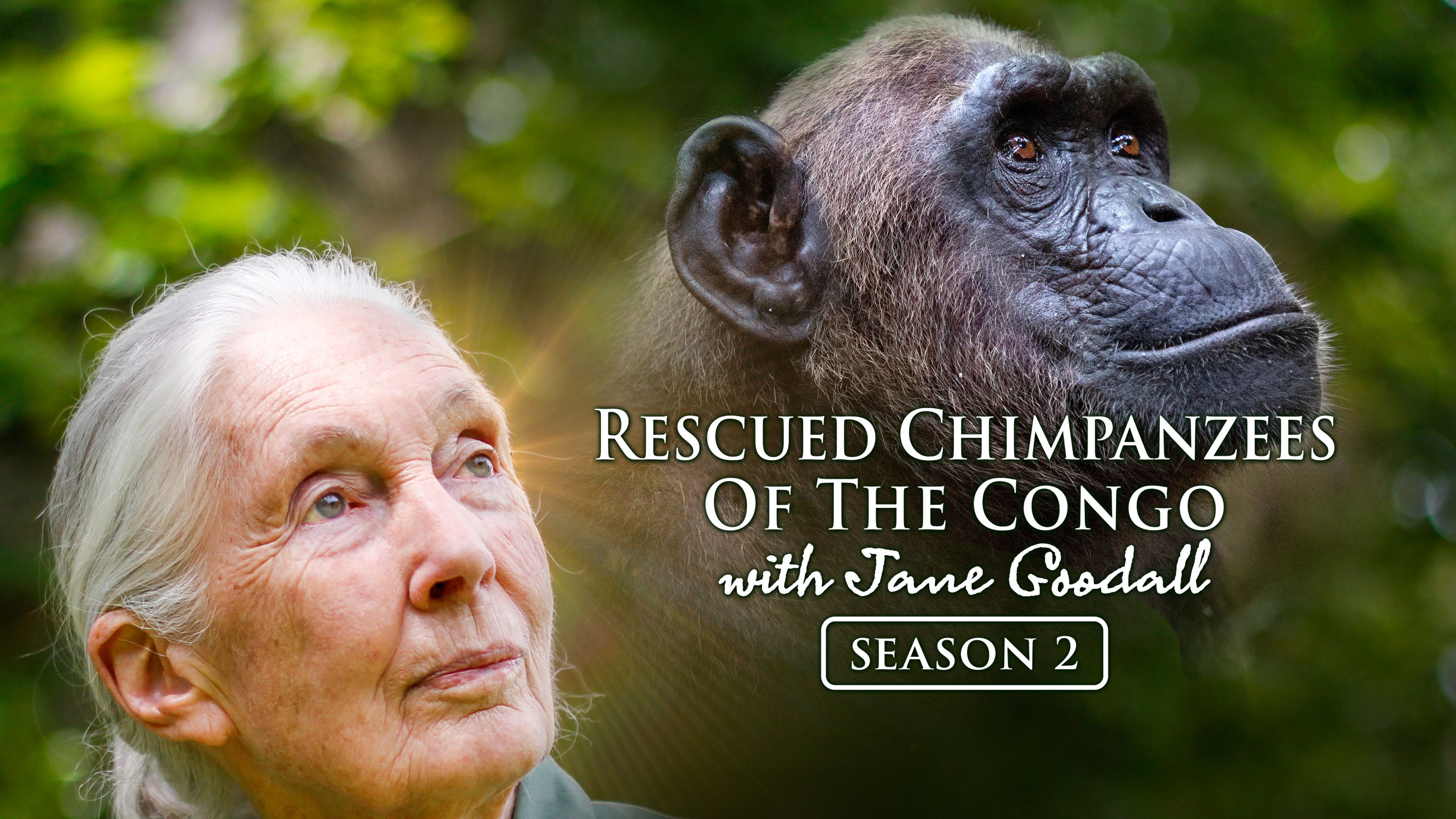
Dr. Jane Goodall and her staff prepare to reintroduce a special group of rescued and rehabilitated chimpanzees to the wild.
 Original
- 3 episodes
Who is preserving the ancient writings of our ancestors? How are they using technology to keep the record of ancient designs and writings?

- 51m
As one of Germany’s beauties, the Wupper river was the gem of the German landscape. But with industrialization, it became the country’s hardest working river and like everything that has been overworked, it lost its magnificence and charm.
 Original
- 20 episodes
This series is loaded with mind-blowing factoids and stats, entertaining expert interviews, and infographics injected with cheeky humor.
 Original
- 6 episodes
These are the Innovators, explorers, and incredible minds that pursue progress… at any price.
 Original
- E12
- 17m
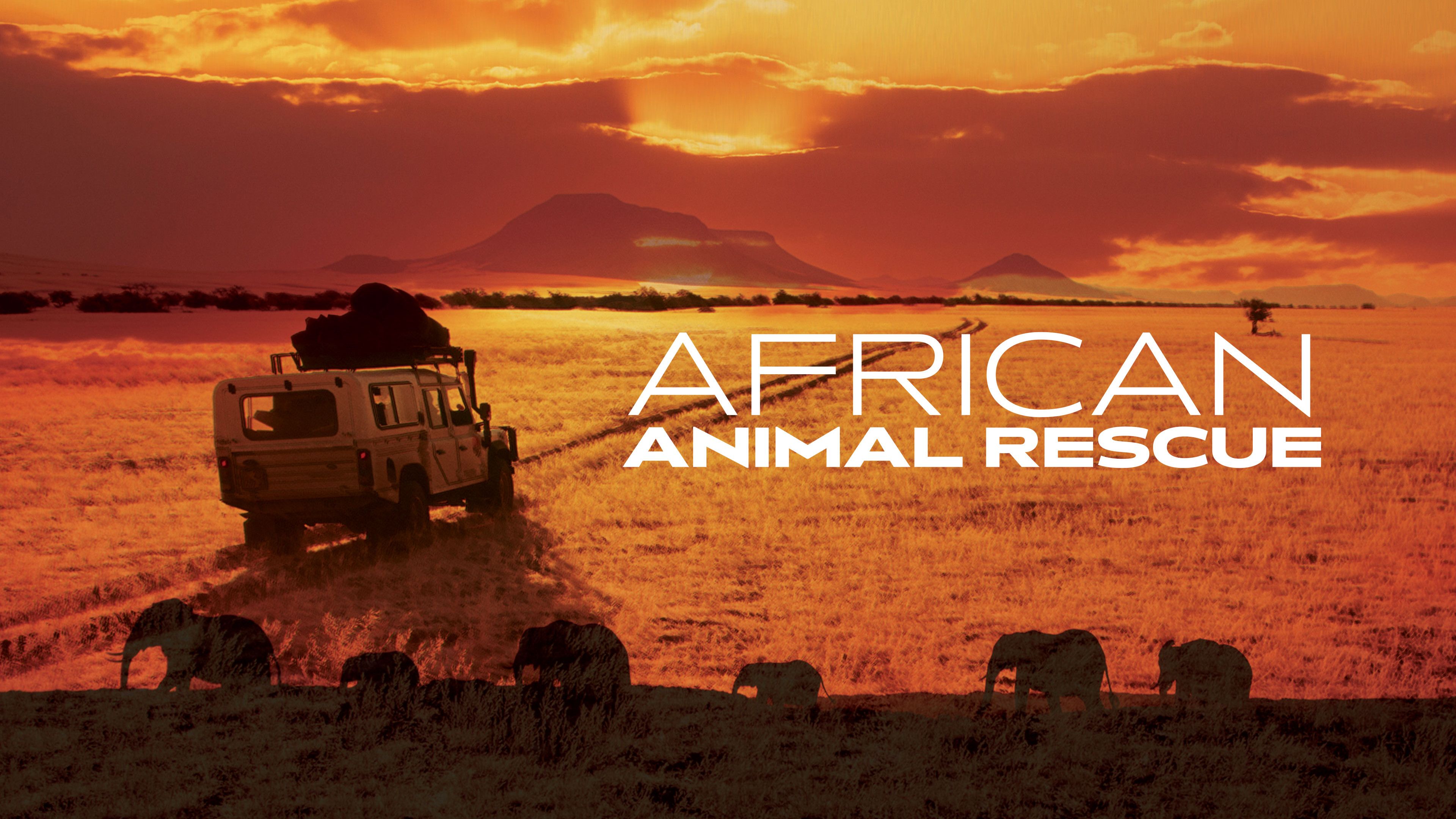
The staff of South Africa’s Manyoni Private Game Reserve passionately care for some of the world’s most exotic and endangered wild animals. From treating elephant foot infections to testing cheetahs for tuberculosis, they never know what to expect each day.
 Original
- 52m
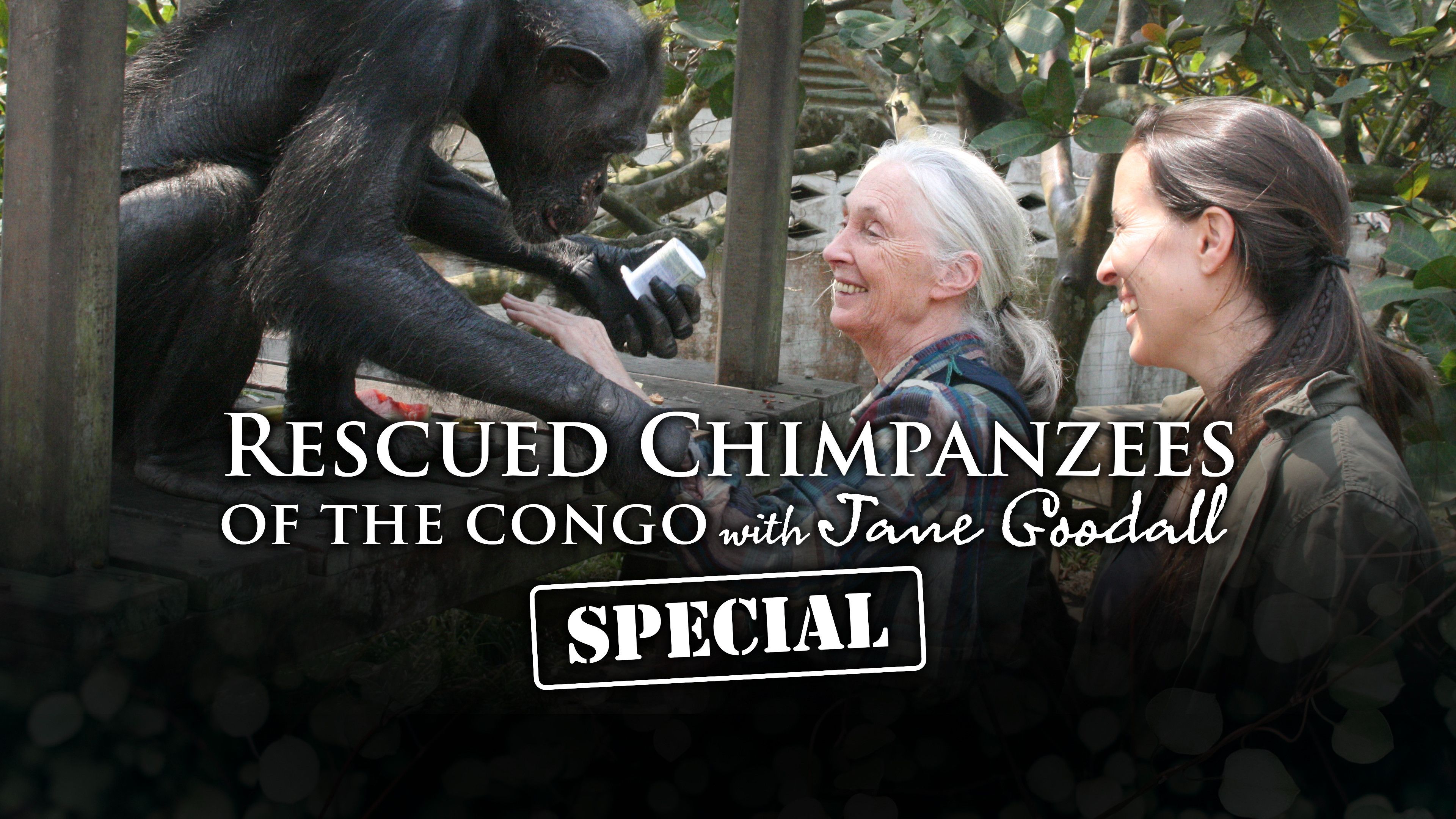
We follow Dr. Jane Goodall’s journey to create a sanctuary, Tchimpounga, meeting world famous chimp Gregoire, surrogate mother La Vielle, and rescued orphan Motambo. Soon, the sanctuary expands, and one of the first chimps to be transferred to their new islands is Wounda, who greets Jane with a hug.

- 51m
2.000 rivers and streams dig deep into the underground and transport their water into reservoirs or "Germany's Wild Amazon", the Wupper. These forests and rivers, together with heathlands and moors, are home to a diverse fauna.